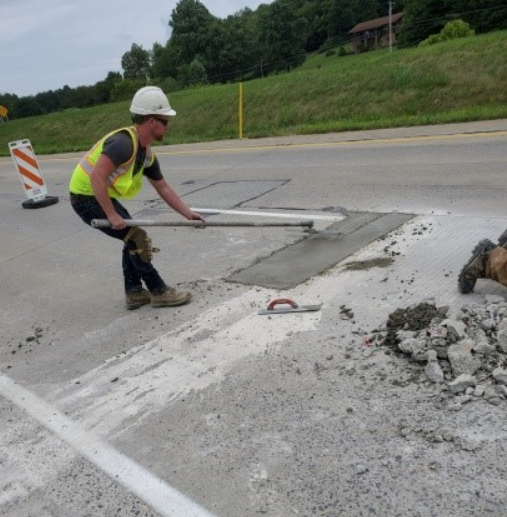
efficacy of one-step reinforced concrete bridge deck repairs efficacy of one-step reinforced concrete bridge deck repairs efficacy of one-step reinforced concrete bridge deck repairs <p>this project aims to evaluate whether durable overlay materials—such as latex-modified concrete (lmc), polyester polymer concrete (ppc), and hybrid composite synthetic concrete (hcsc)—can be used to perform “one-step” reinforced concrete bridge deck repairs while maintaining structural adequacy. the central objective is to determine whether these materials can serve as both repair and structural elements for type 2 and type 3 repairs, eliminating the need for a subsequent overlay placement and preserving deck depth, weight, and elevation. through a literature and practice review, assessment of material compatibility (including strength, modulus, bond, and thermal behavior), and a parametric structural evaluation of representative repair scenarios, the study will assess feasibility and identify limitations of this approach. the primary outcome will be evidence-based recommendations to penndot regarding the appropriateness of extending one-step repairs to deeper repair types, along with proposed revisions to relevant design and specification guidance where warranted.</p> bridges active
concrete pavement life cycle assessment tool for pennsylvania concrete pavement life cycle assessment tool for pennsylvania concrete pavement life cycle assessment tool for pennsylvania <p>this project will develop a pennsylvania-specific concrete pavement life cycle assessment (lca) tool to support data-driven decision-making in the context of net-zero and carbon reduction goals. building upon existing platforms such as fhwa’s lca pave and integrating with the university of pittsburgh’s pittrigid pavement design software, the research will establish representative pennsylvania pavement archetypes, develop a customized life cycle inventory reflecting local materials and construction practices, and create a web-based co₂ quantification tool tailored to state conditions. the effort will go beyond stand-alone emissions estimation by integrating lca outputs directly into pavement performance design, enabling simultaneous optimization for structural performance and carbon footprint. the final deliverable will be a practical, user-oriented tool supported by case studies, implementation guidance, and recommendations for future refinement, providing pennsylvania stakeholders with a robust framework for performance-based and environmentally responsible pavement design.</p> pavements active
joint activation in concrete pavements joint activation in concrete pavements joint activation in concrete pavements <p>this project aims to develop a predictive framework for joint activation timing in jointed plain concrete pavements (jpcps) and overlays to reduce the risk of random cracking and premature pavement distress. the research will combine an extensive literature review with the development of a fracture mechanics–based finite element model capable of simulating concrete strength and stiffness development, saw-cut timing, and interaction between adjacent joints. field and/or laboratory testing using ultrasound tomography will be conducted on newly constructed pavements to monitor joint behavior from saw cutting through activation, providing data to validate the model. the project will culminate in a predictive tool and sensitivity analysis to inform construction practices—particularly saw-cut timing and related variables—to improve short- and long-term pavement performance.</p> pavements active
advancing ground penetrating radar for pavement inspection advancing ground penetrating radar for pavement inspection advancing ground penetrating radar for pavement inspection <p>this project will advance the use of ground penetrating radar (gpr) as a reliable and practical tool for pavement inspection in pennsylvania by evaluating its capabilities, limitations, and implementation strategies. the research will assess how gpr is currently used by dots to measure pavement layer thickness, structural characteristics, reinforcement location, and subsurface distress, while identifying factors that influence data quality and interpretation. through engagement with state agencies and industry practitioners, the project will synthesize best practices for both network-level asset management applications and project-level site investigations. the effort will culminate in clear, implementable recommendations and guidance to support informed adoption of gpr within maintenance and rehabilitation decision-making processes, complemented by knowledge-transfer webinars to ensure practical uptake by irise members.</p> pavements active
virtual reality based training for work zones around live traffic virtual reality based training for work zones around live traffic virtual reality based training for work zones around live traffic <p>this project will advance virtual reality–based safety training for construction workers operating near live traffic by developing a scalable, parametric, and ai-enabled training platform that overcomes limitations identified in prior high-fidelity vr deployments. building on lessons learned from earlier laser-scan–based immersive environments, the proposed effort will create a flexible, rule-based virtual work zone environment using unreal engine 5 and deploy it on affordable, portable vr systems to enable broader adoption. the project will integrate data-driven hazard prioritization—leveraging national injury and fatality databases—and incorporate generative ai to dynamically generate scenarios, simulate worker-to-worker communication, and adapt training conditions in real time. the objective is to deliver a practical, customizable training system that improves hazard recognition and decision-making in live traffic environments, while providing implementation guidance that allows agencies and contractors to efficiently develop new modules aligned with evolving safety needs.</p> worker safety active
geothermal deicing geothermal deicing geothermal deicing <p>this project seeks to establish the technical foundation necessary to deploy geothermal pavement and bridge deck heating systems in pennsylvania as a viable alternative to chemical deicing. the core objective is to design and experimentally verify a scalable geothermal heating module that couples pavement, subsurface geology, and atmospheric conditions through physically grounded scaling relationships, enabling adaptation across climates, soil conditions, and structural configurations. recognizing that prior work has focused primarily on the pavement-side of closed-loop systems, this research addresses the full thermal loop, including subsurface heat extraction efficiency and long-term performance. through literature synthesis, scaling analysis, laboratory testing of novel and conventional ground loop configurations, and bridge deck heating experiments, the project will identify technically and economically feasible approaches—particularly for retrofit applications. the effort will culminate in candidate module designs and a high-level techno-economic evaluation of three pilot sites, providing a roadmap for future field deployment of geothermal deicing systems.</p> geotech active
a novel methodology for structural optimization of bridge decks against corrosion a novel methodology for structural optimization of bridge decks against corrosion a novel methodology for structural optimization of bridge decks against corrosion <p>create and deploy a novel toolset for the prediction of corrosion based on the structural features of a selected bridge deck. physics-based numerical models for the prediction of corrosion in reinforced concrete decks will be developed. this new modeling framework will be embedded in an optimization framework to develop new best practices for bridge deck corrosion mitigation to guide both the design of new systems and the maintenance of existing ones. the ultimate goal is to identify the complex interrelationships between the temporal and spatial frequency of salt application and the corrosion mitigation strategies in place. then, this new information will be combined with reliability-based optimization to provide guidelines for the operational control of bridge decks subject to corrosion mechanisms.</p> bridges active
bridge load ratings bridge load ratings bridge load ratings <p><strong>abstract</strong>: the 2025 national bridge inventory identifies approximately 39,000 reinforced concrete (rc) t-beam bridges nationwide. of these, 1,446 bridges have superstructures classified in "poor" condition (rated 4 or less on a 9-point scale). in pennsylvania, t-beam bridges represent ~ 7% of the state's ~23,000 bridges, and 226 of them are classified as "poor". common deterioration mechanisms include concrete delamination, spalling, reinforcement corrosion, rebar debonding, and fractured stirrups. load rating analysis (lra) quantifies bridge capacity to carry live loads using bridge design, construction, and inspection data. three lra procedures are currently in use: allowable stress rating (asr), load factor rating (lfr), and load and resistance factor rating (lfr). conventional lra employs two-dimensional (2d) models of controlling members with distribution factors to estimate load effects, an approach that may be overly conservative. in this research, detailed three-dimensional (3d) finite element (fe) models of three pennsylvania t-beam bridges were developed to perform static analyses and to conduct comprehensive load rating evaluations. the 3d modeling more accurately accounted for actual structural behavior, deck participation and load distribution effects. results are compared with existing lras. additionally, this study examined four structural condition scenarios: (1) original geometry without damage, (2) current physical condition based on recent inspections, (3) severe deterioration representing potential future conditions, and (4) material deterioration with concrete and steel strengths reduced by 20% relative to design values. for each scenario, load rating analyses are performed using asr, lfr, and lrfr methodologies with stresses induced by dead loads and pennsylvania legal truck loads. the comparative analysis established the accuracy and reliability of 3d modeling approaches for bridge load rating and evaluated whether current posting requirements based on conventional 2d analyses are overly conservative.</p>
<p><br /></p> bridges completed
improving bridge assessment through the integration of conventional visual inspection, non-destructive evaluation, and structural health monitoring data improving bridge assessment through the integration of conventional visual inspection, non-destructive evaluation, and structural health monitoring data improving bridge assessment through the integration of conventional visual inspection, non-destructive evaluation, and structural health monitoring data <p>the purpose of this study was to establish a framework capable of integrating traditional non-destructive evaluation (nde) and emerging automated unmanned aerial vehicle (uav)-based techniques to provide improved performance assessment of bridges. the framework focuses on addressing the principal challenges associated with studying the service life of bridge structures: (a) the long time scales (which requires accelerated aging), (b) the diverse outputs related to bridge condition (in terms of data collected through uav, nde, and visual inspection), and (c) an advanced data interpretation and fusion framework for automated detection and quantification of bridge surface and subsurface defects.</p>
<p>by leveraging the access to the unique dataset generated by the bridge evaluation and accelerated structural testing (beast) facility, this study aimed to identify the potential synergies among bridge degradation, remaining service life, and the results taken from the multimodal sensing technologies (i.e., uav and nde techniques). data processing frameworks based on deep learning and a systematic uav data collection strategy were developed to automatically detect the surface defects from hd images and subsurface defects from infrared thermography (ir) images.</p>
<p>new multi-source nde data fusion methods based on discrete wavelet transforms and improved dempster-shafer evidence combination theory were proposed to provide a more comprehensive concrete bridge deck assessment.</p> bridges completed
steel bridge corrosion prevention and mitigation strategies steel bridge corrosion prevention and mitigation strategies steel bridge corrosion prevention and mitigation strategies <p>corrosion in steel bridges exposed to chloride attack from exposure to marine environments or de-icing salts is a significant issue which decreases structural integrity and increases maintenance requirements. steel bridges exposed to these conditions require regular inspection, maintenance and rehabilitation, which drastically increases life-cycle costs.</p>
<p>this report provides a comprehensive literature review which highlights important issues related to corrosion in steel bridges with the objective of identifying shortcomings in current practice in pennsylvania and identifying novel methods for further study and/or possible implementation. first, common forms of corrosion in steel infrastructure are reviewed. next, corrosion prevention, mitigation and repair strategies are discussed including strategies currently utilized in pennsylvania and by other state dots. finally, promising corrosion prevention, mitigation and repair solutions are recommended. these solutions include: (1) implementing duplex coating systems, (2) identifying and evaluating novel approaches to prevent and mitigate crevice corrosion, (3) developing ai enabled corrosion monitoring methodologies, (4) eliminating joints in existing structures using debonded link slabs, and (5) further developing in-situ repair strategies for corrosion damaged components.</p> bridges completed
analysis of reoccurring landslides in swpa to advance hazard and risk estimates analysis of reoccurring landslides in swpa to advance hazard and risk estimates analysis of reoccurring landslides in swpa to advance hazard and risk estimates <p>the project will examine landslide reoccurrence in southwestern pennsylvania and its interaction with human landscape modifications. by analyzing regional landslide data and conducting spatial analysis, the project seeks to identify patterns and develop mechanistic models of reoccurrence. multivariate analysis will compare environmental factors between reoccurring and stable/new landslides. the results will identify high-risk areas, guiding mitigation efforts and informing effective repair methods in landslide-prone areas.</p> geotech active
advancing regional comprehensive stormwater management through cross-jurisdictional coordination and cooperation advancing regional comprehensive stormwater management through cross-jurisdictional coordination and cooperation advancing regional comprehensive stormwater management through cross-jurisdictional coordination and cooperation <p>development of a coordinated set of stormwater meetings ranging from lunch-and-learn training sessions to a full blown second symposium. these meetings would vary in scope but be aligned in purpose to address the challenges identified in the 2023 symposium. we envision three primary objectives: 1) coordination of a series of lunch time training session on pertinent stormwater topics.; 2) a series of consensus building meetings between transportation professionals, local officials, and the wider stormwater community to examine the stormwater regulation landscape and determine best practices that could improve stormwater management in cross-jurisdictional infrastructure.; and 3) a year 7 stormwater symposium to maintain momentum in these stormwater conversations.<br /></p> geotech active
improved collection of earth-work quantities utilizing uav-based lidar improved collection of earth-work quantities utilizing uav-based lidar improved collection of earth-work quantities utilizing uav-based lidar <p>this project aims to enhance the accuracy of earthwork estimation using uav-mounted lidar and rgb sensors to improve 3d modeling of large-scale construction sites. the study will include a two-part case study: a workshop to educate stakeholders on uav-based modeling and a field demonstration showcasing real-world applications for earthwork planning and management. by integrating advanced surveying technologies, the project seeks to reduce cost overruns, optimize material usage, and improve efficiency in balancing earthwork quantities for large infrastructure projects.</p> geotech active
common sense compaction for soils/embankments common sense compaction for soils/embankments common sense compaction for soils/embankments <p><strong>abstract</strong>: this report details a comparative study on three different methods for evaluating soil compaction in roadway construction: the nuclear moisture and density gauge, the dynamic cone penetrometer (dcp), and the light weight deflectometer (lwd). the study's primary objectives were to review state specifications that have adopted performance-based testing methods and to conduct field tests comparing the three devices. the research was motivated by a growing industry shift away from density-based quality control toward performance-based specifications, which provide more direct insights into soil stiffness and load-bearing capacity. the review of specifications from states like minnesota, indiana, and florida (fdot) showed that these agencies have successfully integrated lwd and dcp testing, often in combination with density measurements, to improve quality assurance. field testing was performed on two sites to compare the consistency and correlation between the three devices. the nuclear gauge, while efficient, was found to be limited by its reliance on lab-established proctor tests and struggled with coarse-grained materials. the dcp, while providing valuable information on penetration resistance, was found to be labor-intensive, time consuming and prone to errors. in contrast, the lwd proved to be the most valuable tool for evaluating structural performance, as its stiffness measurements were found to be more indicative of a compacted layer's structural integrity than the density values from the nuclear gauge. the lwd also demonstrated the ability to distinctly differentiate between material types and provide consistent readings without relying on a proctor curve. based on these findings, the report recommends implementing the lwd as a complementary tool for projects with uniform soil conditions and as a standalone tool for projects with highly variable materials, such as embankments.</p> geotech completed
a regional landslide inventory for southwestern pennsylvania a regional landslide inventory for southwestern pennsylvania a regional landslide inventory for southwestern pennsylvania <p>landslides are a major disruption to road networks and infrastructure in southwestern pennsylvania. a combination of rugged topography, clay-rich bedrock, complicated hydrogeology, and changing local climate results in numerous landslides across the region, particularly in areas where humans have modified the landscape. however, documentation of the spatial and temporal patterns of these landslides is spread across a wide range of government agencies and historical sources. this limits comprehensive planning efforts to address ongoing damage and mitigate potential future landslides. this project has inventoried over 7400 landslides from twelve agencies and/or data sources in a systematic and standardized format. landslide events, once cataloged, were attributed with an extensive list of parameters summarizing topography, geology, soils, recent weather history, and local mining history. these data are summarized into data tables compatible with modern analysis tools and directly shared with the public when possible. in addition, case studies describing the potential for use of landslide data are presented in the report. this data framework, in conjunction with parallel and complimentary efforts, is a strong foundation for increasingly data driven approaches to landslide mitigation and management in the region.</p> geotech completed
a seminar series on innovative and comprehensive stormwater management a seminar series on innovative and comprehensive stormwater management a seminar series on innovative and comprehensive stormwater management <p>a series of stormwater seminars will be held at the university of pittsburgh to share collective and emerging knowledge about storm water control technologies, particularly green infrastructure approaches, effective cross-jurisdictional strategies, and scenarios of climate and regulatory strategy that are fundamental to successful management of stormwater runoff. these seminars will center approaches that address multiple objectives (e.g., decreased water flow and improved water quality) and facilitate communication about emerging, and potentially unorthodox, methods.</p> geotech completed
landslide best practices landslide best practices landslide best practices <p>the landslide best practices handbook was written to produce region-specific guidance for practicing geotechnical engineers and geologists who are engaged to mitigate adverse impacts from an active landslide or reduce the risk of landslide movement for infrastructure. best practice guidelines for the life cycle of a landslide mitigation response including approach, characterization, assessment and mitigation are presented. a best practice framework for slope maintenance and slope management systems are also included. </p> geotech completed
exploring approaches to managing landslide risks workshop exploring approaches to managing landslide risks workshop exploring approaches to managing landslide risks workshop <p>with the proliferation of landslides impacting transportation systems in western pennsylvania, penndot districts 11 and 12, the central office, fhwa and other members of the irise consortium identified the need for a forum to discuss recent/ongoing activities. the design of the workshop stressed current work to identify, anticipate, and remediate landslides. it provided an opportunity to share experiences and discuss best practice approaches. in the end, a discussion of future needs helped to prioritize activities and focus on the best use of available technology and resources to mitigate this critical regional problem.</p>
<p>121 individuals representing over 40 organizations in the public, private and academic sectors participated. presentations during three workshop sessions addressed the following topics: historical perspective and identification, prediction, remediation & prioritization, and managing risks. the workshop concluded with a discussion of future needs by a panel consisting of leaders of western pennsylvania government and academic institutions.</p> geotech completed
developing light-weight and high-performance metamaterial concrete developing light-weight and high-performance metamaterial concrete developing light-weight and high-performance metamaterial concrete <p>develop a “metamaterial light-weight-concrete (lwc)” technology to fabricate lightweight and high-performance structural elements, with potential applications for pavement systems, bridge decks, and prefabricated bridge elements. a suite of metamaterial lwc systems with tunable compressive strength and ductility will be evaluated. a range of selected metamaterial lattices will be 3d printed and extensive numerical and experimental studies will be performed to evaluate and predict the mechanical properties of lwc cubes and beams reinforced by the mm lattices. the goal is to design lwc materials with a minimum compressive strength of 50 mpa, minimum toughness of 10 kn⋅mm, and maximum unit weight of 1200kg/m3.</p> materials active
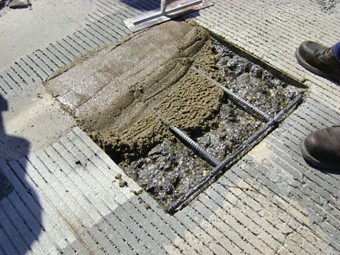
material compatible repairs evaluation material compatible repairs evaluation material compatible repairs evaluation <p>partial-depth repair of concrete pavements and bridge decks is a rehabilitation technique that restores localized surface distresses in the upper one-third to one-half of a concrete slab depth. with proper design and construction, partial-depth repair should last as long as the surrounding concrete pavement making it a cost-effective and sustainable alternative to more costly and invasive rehabilitation options. past studies have identified two major reasons for premature failures of partial depth repairs: (a) inability to achieve and keep adequate bond between the repair and the existing pavement due to improper repair material selection; and (b) incorrect repair dimensions.</p>
<p>to address the incompatibility issues between in-situ concrete and repair material, a previous research project entitled “material compatible repairs (mcr) for concrete pavements and bridge decks” was conducted as part of irise’s first year program. based on laboratory studies, the research shed light on the importance of using mcrs and best practices to develop a performance engineered repair material (perm) to be used for the mcr. in this project, extensive and comparative testing is needed to validate and demonstrate the results of this previous research in the field. concurrently, for the same repairs, investigate the ability of ultrasonic tomography testing to provide reliable information for required partial depth repair dimensions and evaluate bond condition after repair placement.</p> materials active
concrete mixtures with half the carbon footprint concrete mixtures with half the carbon footprint concrete mixtures with half the carbon footprint <p>the objective of this research is to identify and evaluate alternatives that could be used to reduce the carbon footprint of a penndot concrete paving mixture in half. in this project, the use of more sustainable concrete paving mixtures will be investigated. locally available industrial by-products that could potentially be used in the concrete mixture will be investigated for potential inclusion in the study.<br /></p> materials active
integrating additive manufacturing with accelerated bridge construction techniques integrating additive manufacturing with accelerated bridge construction techniques integrating additive manufacturing with accelerated bridge construction techniques <p>the main objective of this study is to investigate the feasibility of using 3d concrete printing (3dcp) for manufacturing prefabricated bridge elements in accelerated bridge construction (abc) projects. a literature review is first conducted to survey the applications of 3dcp within the construction and building domains. this phase entails exploring diverse additive manufacturing techniques and materials relevant to construction. incorporation of reinforcement in 3dcp stands as a significant challenge to advancing the 3dcp technology for abc projects. therefore, emphasis is placed on examining a range of reinforcement strategies for 3dcp. on this basis, multiple concrete beams are 3d printed with different reinforcement strategies. three-point bending tests are conducted on the 3d printed specimens and conventionally cast counterparts to characterize their mechanical properties. the beam samples manufactured for the comparative study include cast plain beam, cast rebar-reinforced beam, plain beam with printed formwork, rebar-reinforced plain beam with printed formwork, plain beam with printed studs formwork, rebar-reinforced plain beam with printed studs formwork, fully printed plain beam, fully printed rebar-reinforced beam, and fully printed metal staple-reinforced beam. an important finding is that beams created using the reinforced 3dcp formwork with studs strategy exhibit the highest flexural strength compared to the beams fabricated using other casting and printing methods. given the substantial costs associated with traditional concrete casting formwork, employing 3d printed formwork with studs can significantly reduce expenses while maintaining optimal performance. therefore, this strategy is employed for the 3d printing of a small-scale prefabricated bridge element specifically identified as a pier cap. the results of the three-point bending tests indicate that the 3d printed pier cap demonstrates a comparable flexural strength to a conventionally cast prefabricated pier cap, while also exhibiting higher stiffness. the proposed experimental study reveals both promising possibilities and inherent limitations in the current 3dcp technology. additional research directions and recommendations are presented to enhance the efficiency of 3dcp in abc projects.</p> materials completed
toward using microbes for sustainable construction materials: a feasibility study toward using microbes for sustainable construction materials: a feasibility study toward using microbes for sustainable construction materials: a feasibility study <p>reinforced concrete (rc) structures are susceptible to damage from long-term exposure to chloride-based compounds (e.g., from marine environments or deicers) and/or repeated freeze/thaw cycles. to mitigate damage and degradation from environmental loading, an estimated $16 billion per year is spent on the rehabilitation of rc structures using cementitious patching materials and/or chemical treatments, which contribute to pollution and require repeated application and maintenance.</p>
<p>to mitigate these detrimental environmental impacts, this study evaluated the feasibility of increasing the durability, resiliency and sustainability of rc structures by using microbes to provide self-healing properties to prevent water and chloride ingress through structural and/or environmental cracking. state-of-the-art research has begun to explore microbial carbonate precipitation (micp) for limestone, marble and, to a lesser extent, rc restoration. however, many challenges remain including:</p>
<ol>
<li>finding non-pathogenic microbes capable of micp;</li>
<li>developing methods to ensure microbial viability and even distribution throughout the material to be restored and;</li>
<li>creating and evaluating new rc formulations aimed at improving and or sustaining micp.</li>
</ol>
<p>this research focused on addressing these challenges, providing insight into the potential application of bio-restoration of rc, which will have far reaching applications for green building design and resilient and sustainable construction.</p>
<p><img src="/link/ad1e4299e27b456e80ba5be385d19d48.aspx" alt="" width="50%" height="auto" /></p> materials completed
material compatible repairs (mcrs) for concrete pavements and bridge decks material compatible repairs (mcrs) for concrete pavements and bridge decks material compatible repairs (mcrs) for concrete pavements and bridge decks <p>partial-depth repairs are a rehabilitation method commonly performed on concrete pavements and bridge decks to restore the integrity of the structure. however, in the past, partial-depth repairs have not always achieved their expected life. some contributing factors include poor construction practices and the use of nondurable repair materials. another consideration not previously considered is the compatibility between the in-situ concrete and the repair material. additional stress is generated at the interface between the repair material and the existing concrete when the two materials deform at differently rates. this has the potential to occur when the elastic modulus, thermal coefficient of expansion and/or the drying shrinkage of the repair material is significantly different from that of the existing concrete. the focus of this study is on investigating the effects of the incompatibility between the repair and existing concrete through a laboratory investigation and a computational study. then a methodology was established for developing a performance engineered repair material (perm) to be used for performing a material compatible repair (mcr). this is accomplished through the proper selection of a coarse aggregate so that stiffness and thermal compatibility between the repair material and the existing concrete is assured. internal curing was also investigated to reduce the drying shrinkage of the repair material to minimize the potential for debonding between the repair and the older existing concrete.</p> materials completed
prediction of dowel corrosion and effect on performance of concrete pavements prediction of dowel corrosion and effect on performance of concrete pavements prediction of dowel corrosion and effect on performance of concrete pavements <p>1) determine corrosion mechanisms and critical factors in dowels using currently available models and databases, 2) experimentally investigate corrosion development in a novel accelerated load test to quantify resulting loss of dowel performance, 3) build predictive performance models using modeling and experimental results, which will be validated with field data, 4) create a set of guidelines based on the results to inform pavement design and management practices.</p> pavements active
design and construction of two-lift concrete pavements for pennsylvania design and construction of two-lift concrete pavements for pennsylvania design and construction of two-lift concrete pavements for pennsylvania <p>two-lift concrete pavement construction, a technique that involves the placement of two wet-on-wet layers of concrete with different mixes, can balance the need for different materials in different depths of the concrete slab. this project will develop design and construction recommendations for two-lift concrete pavements for pennsylvania conditions. this will involve testing appropriate concrete mixes for both top and bottom layers with a focus on the former’s high-performance needs and the latter’s economical and sustainable aspects. an experimental section will be evaluated, focusing on the challenges of working consecutively with two pavers and two concrete mixes. a comprehensive evaluation of the bonding conditions between the two layers will be performed and documented using non-destructive methods. the potential cost saving and reduction in carbon footprint will be evaluated.</p> pavements active
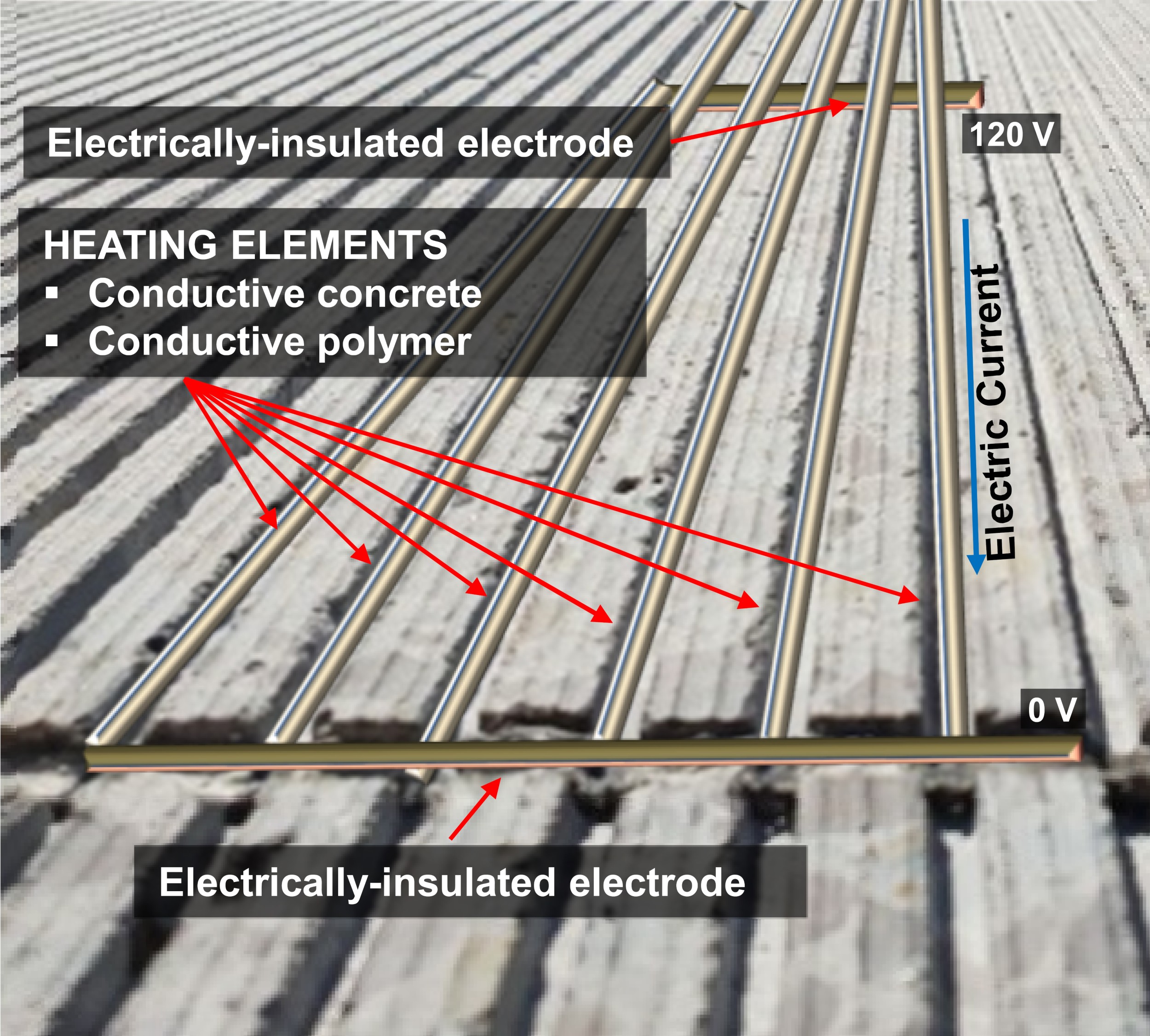
self-heating concrete pavements systems with surface-mounted heating elements self-heating concrete pavements systems with surface-mounted heating elements self-heating concrete pavements systems with surface-mounted heating elements <p>this project explores the feasibility of using surface-mounted heating elements to develop self-heating concrete pavements for automated snow and ice removal. unlike traditional deicing methods, this technology reduces environmental impact and enhances pavement durability by eliminating the need for deicing chemicals. the study will investigate conductive concrete modified for surface heating, alternative heating elements, and energy-efficient designs powered by renewable energy. if successful, this solution could provide a scalable, cost-effective, and sustainable alternative for winter road maintenance on both existing and new pavements.</p> pavements active
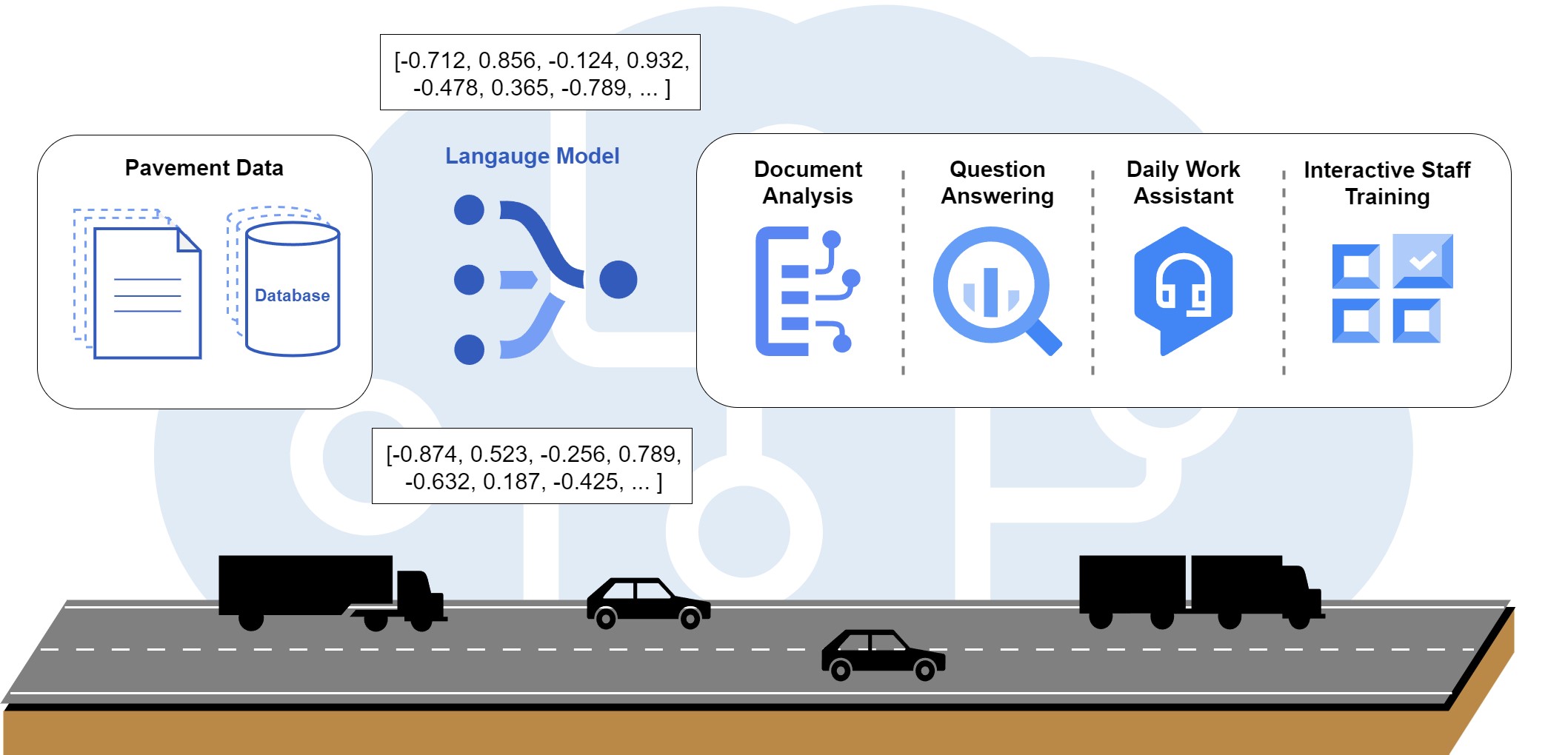
adaptation of a large language model adaptation of a large language model adaptation of a large language model <p>the goal is to create an artificial intelligence (ai) model that can process and generate natural language to answer common pavement engineering and pavement construction questions quickly and accurately. the model will be able to answer questions about pavement design, mix design, specifications, best construction practices, pavement maintenance and rehabilitation, pavement management, as well as pavement testing and evaluation. it will have a human-like ability to provide reliable answers and will be suitable for interactive training. the tool will have the capability to assess a user's knowledge by posing questions and offering feedback on their answers, making it an effective tool for skill development and evaluation. additionally, the model will be able to assist pavement engineers in retrieving and summarizing relevant information from a large corpus of pavement-related literature. this can facilitate knowledge discovery and help pavement engineers stay up-to-date with the latest developments in their field.</p> pavements active
self-heating concrete pavements systems with surface-mounted heating elements self-heating concrete pavements systems with surface-mounted heating elements self-heating concrete pavements systems with surface-mounted heating elements <p>this project explores the feasibility of using surface-mounted heating elements to develop self-heating concrete pavements for automated snow and ice removal. unlike traditional deicing methods, this technology reduces environmental impact and enhances pavement durability by eliminating the need for deicing chemicals. the study will investigate conductive concrete modified for surface heating, alternative heating elements, and energy-efficient designs powered by renewable energy. if successful, this solution could provide a scalable, cost-effective, and sustainable alternative for winter road maintenance on both existing and new pavements.</p> pavements active
joint and sealant design optimization joint and sealant design optimization joint and sealant design optimization <p>as performance expectations and the design life continue to be increased for jointed plain concrete pavements (jpcp)s, it is important that the joints of the pavement meet these demands. the joint must also be properly sealed or it can serve as an entry point for moisture, deicing salts and incompressibles. this can lead to durability issues, erosion, pumping, faulting, spalling and blow-ups. sealant performance is influenced by sealant material, joint reservoir design, and the timing and quality of the installation. a discussion on a holistic approach to joint design is provided along with an in-depth analysis on sealant and joint performance (appendix a and b) and reservoir design (appendix c) for jpcps with 15-ft joint spacings. an extensive laboratory study was performed to evaluate three joint design/material combinations subjected to simulated joint opening/closing and vehicle load fatigue for a 42-year design life of a 15-ft jpcp (appendix d). it was determined that type ii asphalt-filled and sealed reservoir designs exhibited greater cohesive and adhesive damage and were less watertight than the silicone sealed reservoir design after the 42 years of simulated service life.</p> pavements completed
prediction of dowel corrosion and effect on performance of concrete pavements prediction of dowel corrosion and effect on performance of concrete pavements prediction of dowel corrosion and effect on performance of concrete pavements <p>corrosion of metallic dowel bars is a significant issue that can lead to a decrease in the long-term performance of jointed plain concrete pavements. the high chloride exposure from deicing agents coupled with moisture penetration at transverse joints creates a corrosive environment. corrosion development is a complex phenomenon affected by both pavement design and climatic features. current pavement performance prediction models are unable to account for dowel corrosion due to the limited understanding of this. this project was performed to improve the existing pavement performance models by incorporating the effect of dowel corrosion in the model framework. a review of available corrosion databases and corrosion prediction models was performed to inform the development of a novel accelerated dowel corrosion laboratory investigation. a range of dowel bars currently on the market were evaluated to quantify the development of corrosion and the effect on pavement performance. the results from the accelerated corrosion study were used to update the existing faulting prediction framework to account for the effect of corrosion on faulting development. the faulting model was calibrated with field performance data from in-service concrete pavements. the products of this project can be used to better account for the effect of corrosion on long-term dowel performance. additionally, the revised faulting model enables the consideration of non-metallic dowels and alternative dowel coatings, which are being implemented in many long-life paving projects. </p> pavements completed
seal coat for asphalt pavements: best practices and experience seal coat for asphalt pavements: best practices and experience seal coat for asphalt pavements: best practices and experience <p>sealcoating (also known as, chip seals) is one of the most commonly used pavement preventive maintenance activity for asphalt pavements, especially for low volume roadways. this study conducted a comprehensive evaluation of the current sealcoating practices across pennsylvania through review of current literature and specifications, survey of state and local transportation entities in pennsylvania and through series of interviews. in addition to seal-coating this study also conducted literature review and surveys on other asphalt pavement preventive maintenance activities in pennsylvania. using the review and current agency practices, best practices regarding sealcoating with respect to their use, application timing and, materials and construction specifications have been identified.</p> pavements completed
three-dimensional micro-mechanical characterization of concrete vibration three-dimensional micro-mechanical characterization of concrete vibration three-dimensional micro-mechanical characterization of concrete vibration <p>vibration is a crucial step in slipform paving during construction; however, the specific usage scenarios have led to an unclear understanding of the relationship between vibratory energy input and the quality of concrete consolidation. thus, developing a comprehensive evaluation system to assess and characterize the vibratory behavior in slipform paving would facilitate the creation of practical guidelines for optimizing the paving process under various conditions. this study explores how vibration energy affects the distribution of air, coarse aggregate, and mortar of concrete as well as providing a frame for homogeneity assessment. initially, the study models the mechanical response of coarse aggregate to vibration energy during slipform paving, utilizing paver consolidation simulation (pacs). the coarse aggregate is recognized and segmented with advanced computer vision techniques. subsequently, "virtual aggregates" resembling real aggregates in morphology were generated using spherical harmonic expansion and random fields and reconstruct mesoscale model using discrete element simulation to model the optimal spatial distribution of aggregates. then, the outcomes from concrete paving simulation experiments and numerical simulations are compared to establish a model explicitly correlating vibration energy input with concrete consolidation quality.</p> pavements completed
preliminary evaluation of pavement surface distresses related to pavement markings preliminary evaluation of pavement surface distresses related to pavement markings preliminary evaluation of pavement surface distresses related to pavement markings. <p>since road marking research is traditionally focused on the life-cycle performance of various marking materials in terms of durability and visibility, little is known about the effect of surface markings on pavement performance. nevertheless, transportation agencies have reported the presence of pavement distresses, such as cracking and raveling, under or along pavement markings. this project investigated whether pavement markings cause pavement surface deterioration. pavement sections with distresses potentially caused by pavement markings were identified. visual surveys were performed to identify whether the surface distresses were located directly below or in the vicinity of the markings, relating the damaged area to the overall surface condition. nondestructive testing was performed to evaluate the marking/pavement condition. finite element modeling was conducted to evaluate the potential effect of temperature differentials on the interaction between markings and pavement surfaces. results strongly indicate the issues with longitudinal joint compaction are the main culprit for pavement deterioration around longitudinal pavement markings. recommendations regarding longitudinal joint construction and evaluation as well as pavement marking installation were proposed to avoid early pavement marking deterioration.</p> pavements completed
early opening of concrete pavements to traffic early opening of concrete pavements to traffic early opening of concrete pavements to traffic <p>earlier opening of concrete pavement to traffic without detriment to short- and long-term pavement performance can reduce construction time and improve driver satisfaction. improving concrete strength estimations in the field and strength gain predictions as well as early age damage modeling are keys to optimizing openings to traffic. to evaluate the estimation of concrete strength, laboratory and field studies were conducted using maturity and ultrasonic tomography. it was found that both methods were efficient and resulted in reasonable concrete strength estimations for in-situ pavements, but ultrasonic tomography was found to have advantages over the maturity method, such as improved correlation and mobility.</p>
<p>a strength gain prediction model was created using both nondestructive methods that combined the benefits of ultrasonic tomography for strength estimation with the predictive ability of the maturity method for future strength development prediction. a mechanistic-based early opening damage analysis procedure incorporating the combined nondestructive testing technique for strength evaluation was developed to predict the effect of early loading on transverse cracking and dowel bar performance for pennsylvania climatic conditions. a web-based tool was created to facilitate the implementation of this procedure for determining the optimal time when paving projects can be opened to traffic without significant damage.</p>
<p>user cost analysis showed that early opening a pavement to traffic would have significant benefits on urban arterial roadways and a minor effect on freeways.</p>
<p><img src="/link/02ee4db29ba94530bd83db9760b1b73d.aspx" alt="" width="50%" height="auto" /></p> pavements completed
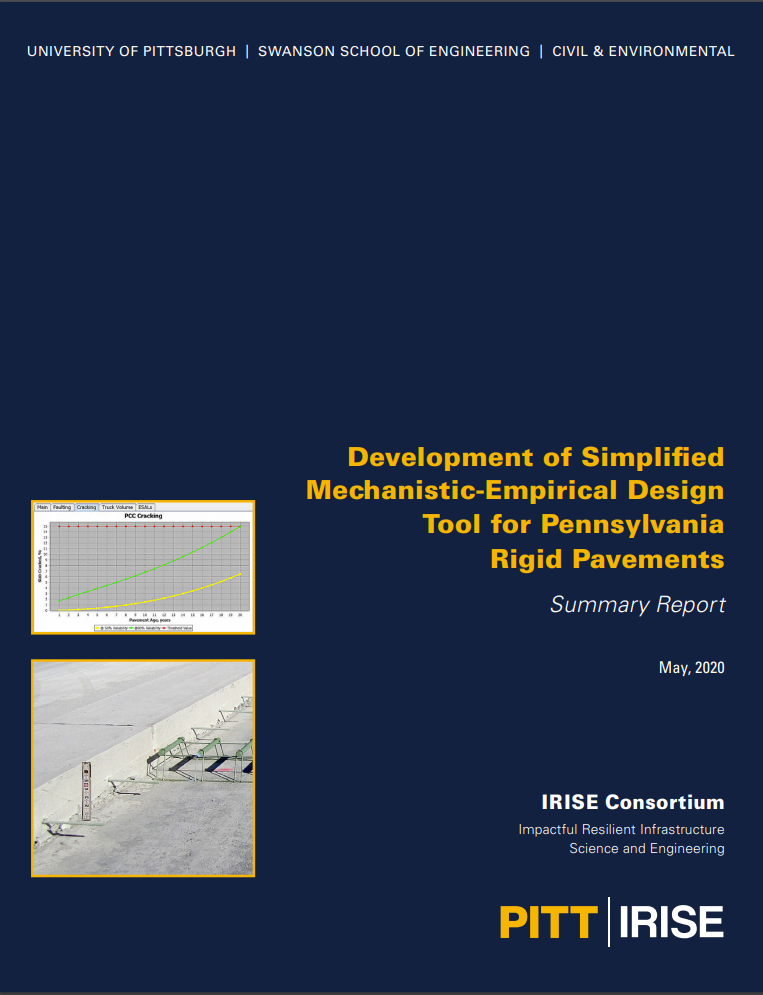
development of simplified mechanistic-empirical design tool for pennsylvania rigid pavements development of simplified mechanistic-empirical design tool for pennsylvania rigid pavements development of simplified mechanistic-empirical design tool for pennsylvania rigid pavements <p>to accelerate the implementation of aashto mechanistic-empirical pavement design guide (mepdg) in pennsylvania, a simplified me design method and a localized design tool are developed for concrete pavement. the new procedure, pittrigid me, is based on the aashto mepdg design procedure, but restricts design input parameters to the most influential and relevant for pennsylvania conditions. it matches the mepdg predicted performance at a fraction of the computational cost.</p>
<p>pittrigid me can be used to predict pavement performance (i.e. fatigue cracking and joint faulting) or determine the concrete slab thickness and dowel diameters for given performance criteria and reliability level. it simplifies design process and reduces potential design errors from improper use of the aashtoware pavement me software.</p>
<p>the development of pittrigid me procedure is documented in this report.</p> pavements completed
ai safety assistant ai safety assistant ai safety assistant <p>this project will develop an ai/llm tool to aid safety personnel in the highway construction industry. the tool will focus on two primary tasks: firstly, it will assist in procuring daily work activity plans with a safety focus, aiding safety management in communicating specific hazards associated with various activities and inspection practices. secondly, as an auxiliary feature, the tool will serve as a data entry tool to improve the quality of accident reporting, filling any knowledge gaps that new employees might have, and enhancing future analysis and safety data dissemination. by incorporating innovative natural language processing techniques, this tool can help ensure more accurate and comprehensive incident reports, overcoming the limitations of manually curated narratives.<br /></p> worker safety active
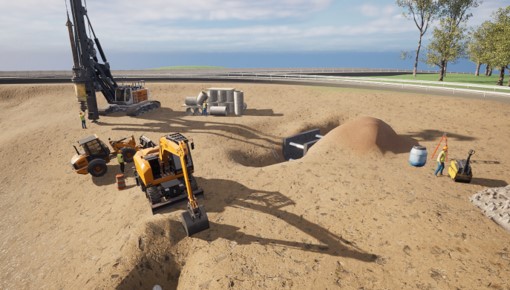
a novel and immersive virtual reality platform for health & safety training of construction workers a novel and immersive virtual reality platform for health & safety training of construction workers a novel and immersive virtual reality platform for health & safety training of construction workers <p>health and safety (h&s) training in the construction industry is paramount, given the sector's high injury and fatality rates. traditional training tends to exhibit over-reliance on passive methods of instruction, bringing challenges associated with knowledge retention and engagement. this study leverages virtual reality (vr) to enhance h&s training through immersive virtual environments (ive)s and serious gaming. laser scanning data captured from an active highway construction site created a highly realistic ive. this environment was then leveraged to build a virtual reality platform containing modules for construction safety training using unreal engine 5 (ue5). users navigate these modules, interacting with objects to identify hazards and learn about safety guidelines. all platform construction scenarios are parametric, so context-specific training can be implemented. evaluation of the module's realism, usability, and potential for enhancing traditional training programs was performed through beta testing on a user group composed of experts in both construction safety and computer science. the results of this research demonstrate the potential of vr in creating immersive and engaging training experiences, which could lead to improved safety performance outcomes in highway construction operations.</p> worker safety completed
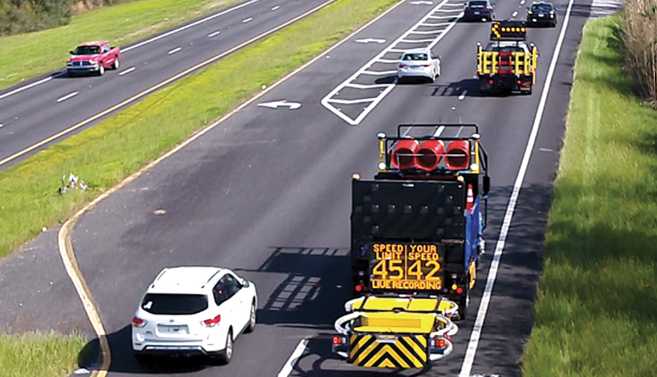
remote-controlled technology assessment for safer construction remote-controlled technology assessment for safer construction remote-controlled technology assessment for safer construction <p>pavement construction, inspection and maintenance are activities that often require workers near heavy equipment, traffic and dangerous materials. this proximity to potential hazards along with the characteristics of highway and street work zones - transient and restricted areas - increases the possibility of accidents and near-misses. recent developments in remote-controlled technology can provide workers and inspectors the ability to conduct activities from a safer distance. this project aimed at scanning and evaluating several promising remote-controlled technologies that could be used to improve safety in highway and streets work zones. the technology scanning disclosed over twenty technologies in several levels of development that met this goal. three technologies were selected for a more detailed review: the remote-controlled ground penetrating radar (gpr) for asphalt density, the automated real-time thermal profiling for asphalt paving, and the autonomous impact protection vehicle. each technology was evaluated not only based on safety features but also on productivity, data processing, and, especially, requirements for implementation. workshops with vendors and leading experts were promoted for each technology. field demonstrations were conducted for the density profiling system for determining in-situ asphalt density. finally, several recommendations for implementation of the selected technologies were provided.</p>
<p><img src="/link/9b782a7e7e3a4b959627535015079439.aspx" alt="" width="50%" height="auto" /></p> worker safety completed
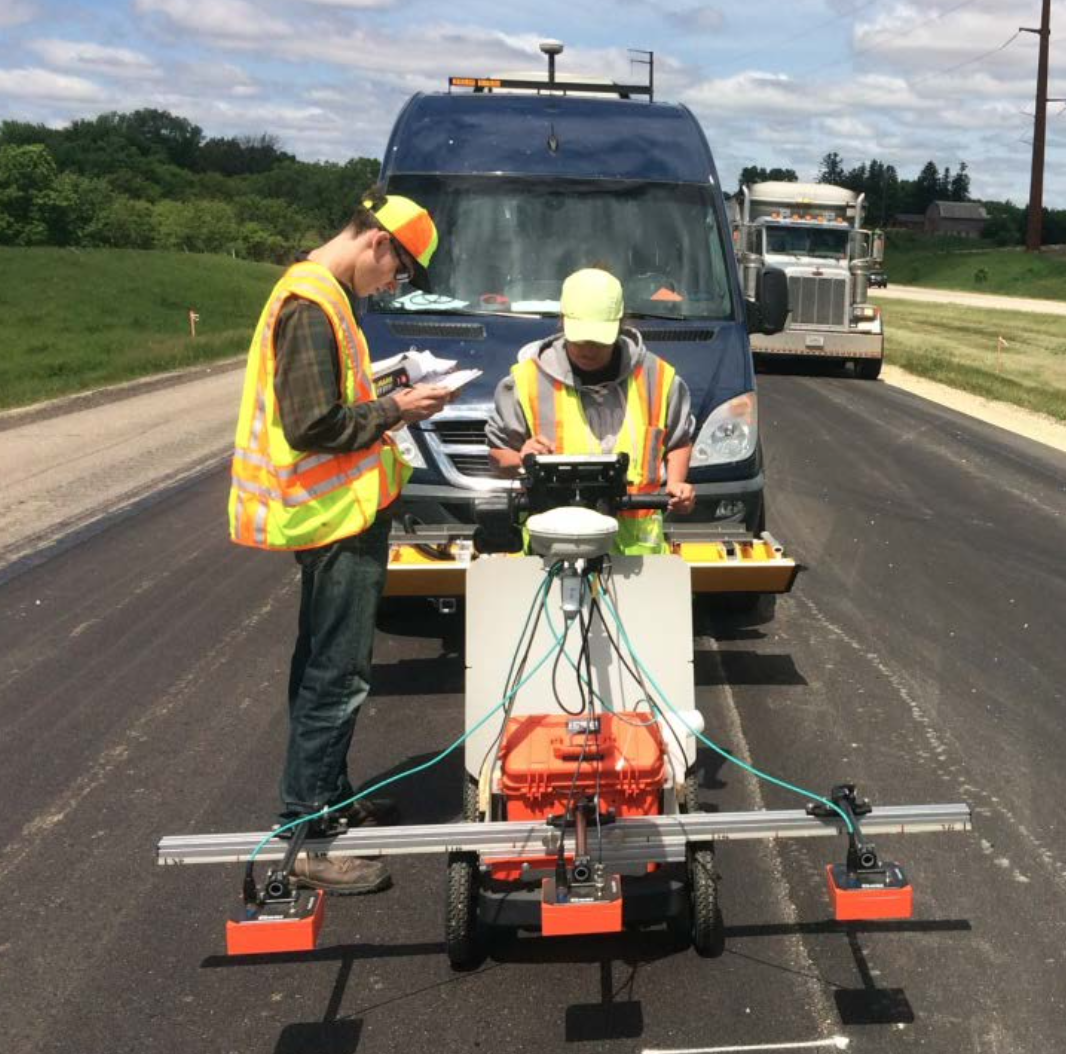
investigating new underground utility location technologies and novel methods to improve the safety and efficiency of highway construction investigating new underground utility location technologies and novel methods to improve the safety and efficiency of highway construction investigating new underground utility location technologies and novel methods to improve the safety and efficiency of highway construction <p>recent advancements in underground utility detection technologies, particularly ground-penetrating radar (gpr), have revolutionized the ability to locate underground utilities, crucial for worker safety and highway construction efficiency. gpr offers faster and more accurate data acquisition through multi-channel devices and various wave frequencies. software developments have eliminated the need for extensive training, making gpr more accessible. moreover, data interpretation and visualization techniques have been refined to enhance location accuracy and user-friendliness. in conjunction with gpr, acoustic methods are being explored to address limitations of traditional technologies. although no single technology can meet all objectives simultaneously, a combination of devices can be employed based on site conditions. factors such as pipe material, environmental conditions, and the presence of other utilities or underground objects must be considered. this study evaluated several gpr-based devices and recommends three equipment types for different construction stages, aligned with objectives outlined by local contractors and agencies.</p>
<p><img src="/link/1666f669faa5432d82dc6c204d64eaa0.aspx" alt="" width="50%" height="auto" /></p> worker safety completed
identifying major causes of construction accidents identifying major causes of construction accidents identifying major causes of construction accidents <p>according to the national institute for occupational safety and health (niosh), every year more than 100 workers are killed and 20,000 are injured in the highway and street construction industry. almost half of these accidents are from the movement of construction equipment and other construction-related activities. this project will identify and rank dangerous scenarios, taking into consideration near-misses, in highway and street construction in pennsylvania. it will develop recommendations for avoiding or minimizing dangerous scenarios in the future and provide qualitative information for the improvement of safety training and development of safety-related equipment.</p>
<p><img src="/link/54af41a8026846e18d71d7fa107464b5.aspx" alt="" width="526" height="351" /></p> worker safety completed
developing and applying methodologies to quantify the benefits of irise projects developing and applying methodologies to quantify the benefits of irise projects developing and applying methodologies to quantify the benefits of irise projects <p>this project aims to develop and apply unique methodologies to quantify the benefits of irise's completed and in-process research projects. by focusing on up to five selected projects, the team will evaluate the improvements in transportation infrastructure longevity and reductions in life cycle costs resulting from irise research. the project involves analyzing case studies, crash data, and statewide construction data to measure the impact of research findings. it will also provide an evaluation and recommendation for broad-scale implementation of these findings.</p> other active
supervised learning for classification of high-resolution lidar point clouds supervised learning for classification of high-resolution lidar point clouds supervised learning for classification of high-resolution lidar point clouds <p>main objective of the proposed research is to improve accuracy and efficiency of surveying operations, ultimately paving the way for novel 3-d project delivery workflows. this requires the development of novel classification tools for the supervised segmentation of 3-dimensional point clouds by combining digital models, a comprehensive database of laser-based reconstructions, and computer vision libraries such as opencv, scikit-image, and torchvision. we will take a supervised learning approach in the delivery of the project, to directly include expert knowledge in the classification algorithms. this will be achieved by classifying available point clouds and using this information to devise infrastructure-specific segmentation algorithms. the ultimate objective is the preparation of a report and a set of guidelines to maximize outreach and direct applicability of the research.</p> other active