UPISC Workshop
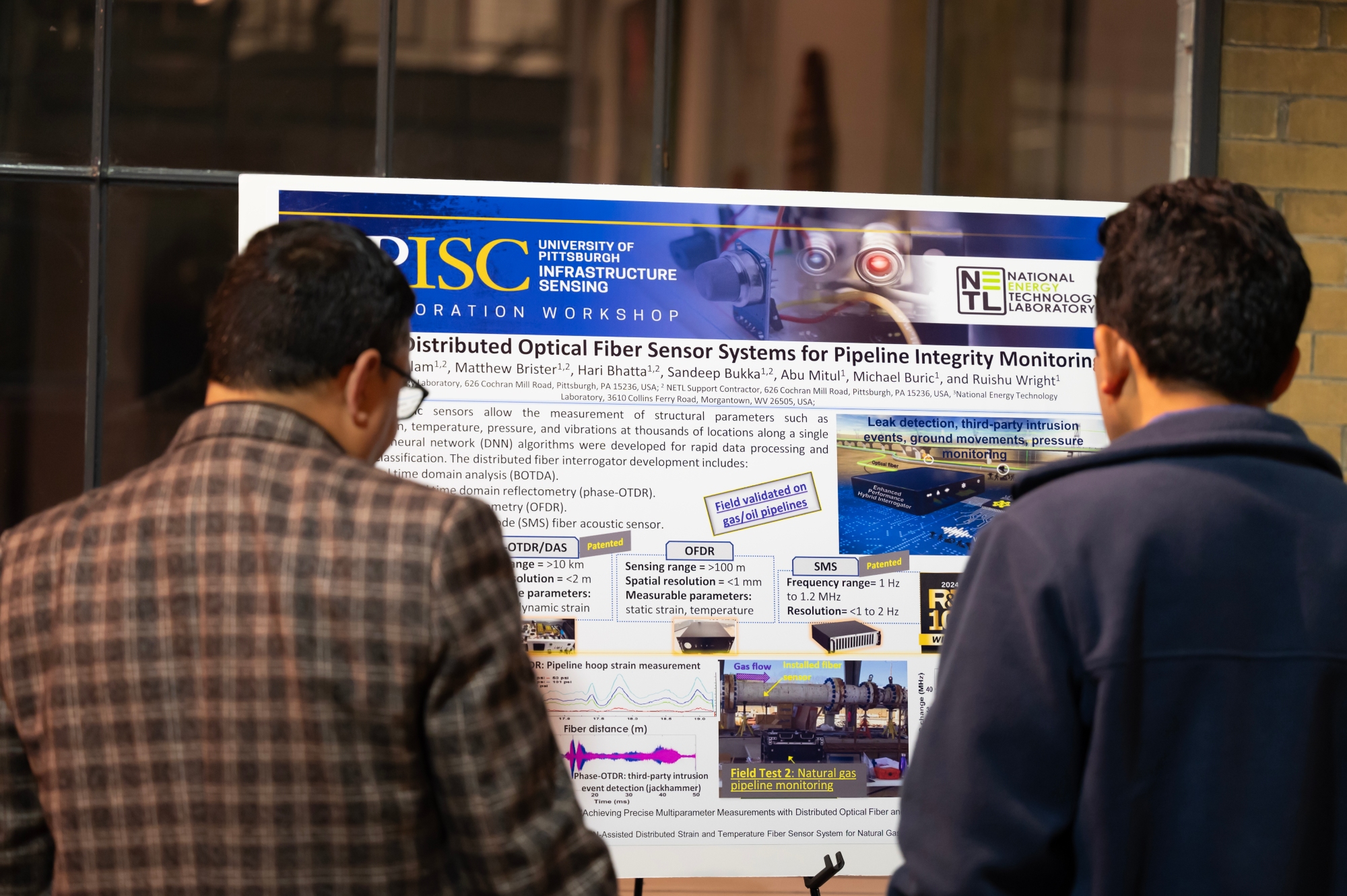
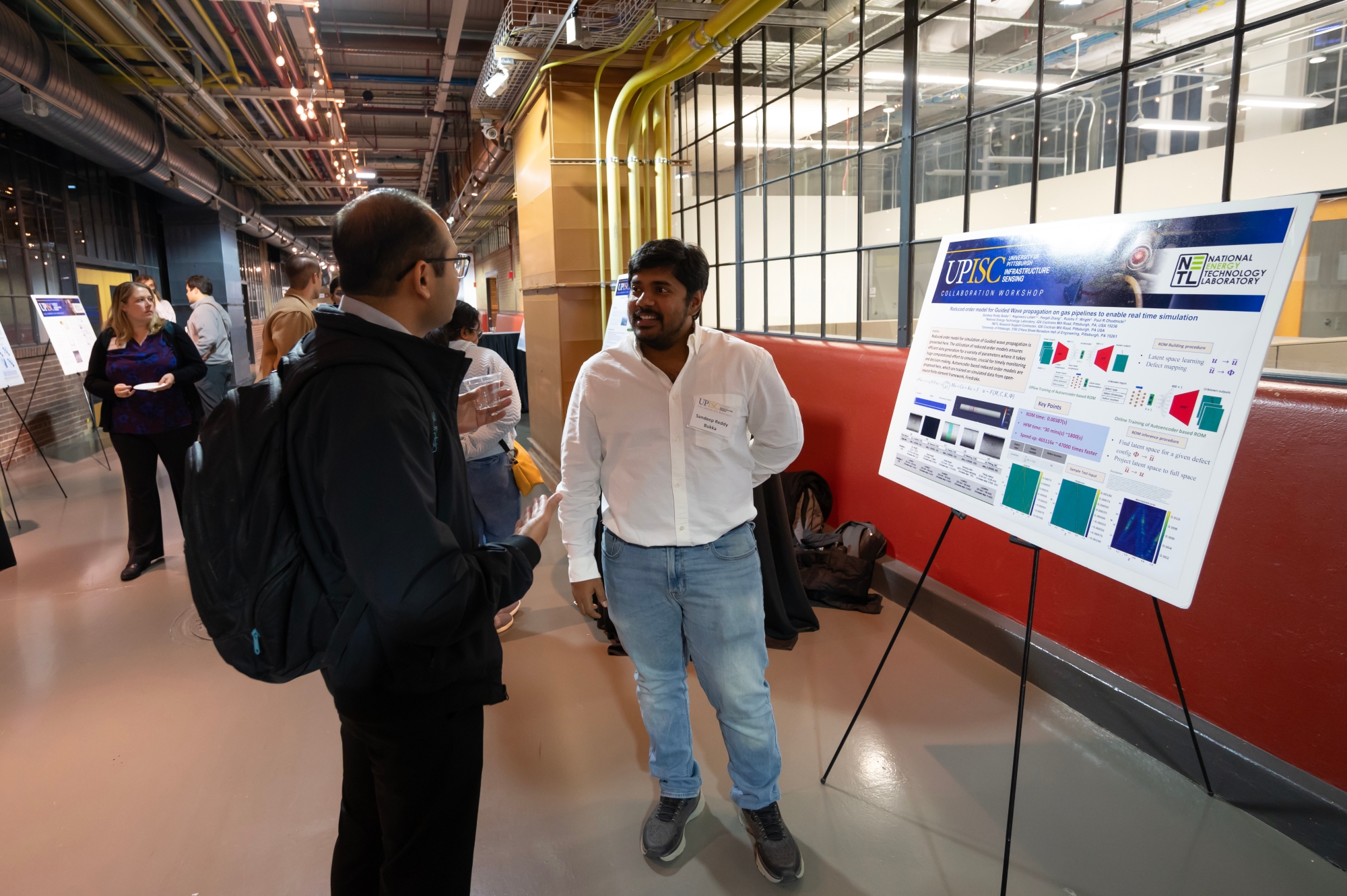
The University of Pittsburgh Infrastructure Sensing Collaboration (UPISC) workshop is a collaboration of the University of Pittsburgh, the National Energy Technology Laboratory (NETL) and the National Academy of Engineering. The goal is to bring together existing collaborations and future partnership opportunities around important topics of infrastructure sensing, artificial intelligence, physics-based modeling and policy related aspects at local, state, and federal levels. The particular areas that the workshop has focused on throughout the years have been:
- Multiple sensing platforms with spatially distributed sensing capability (e.g. optical fiber sensing, passive wireless sensors, electrochemical sensors, chip sensors)
- Spanning sensor technology development areas from fundamental principles of sensor materials to prototypes in field validations
- Coupling with physics-based modeling and artificial intelligence (AI)-enabled sensor networks and digital twin technologies for specific infrastructure needs
2027 UPISC Workshop
The 2027 UPISC workshop is planned for summer 2027 (date to be determined). To be put on our distribution list to be the first to learn about it, contact us at insites@pitt.edu.
2026 UPISC Workshop

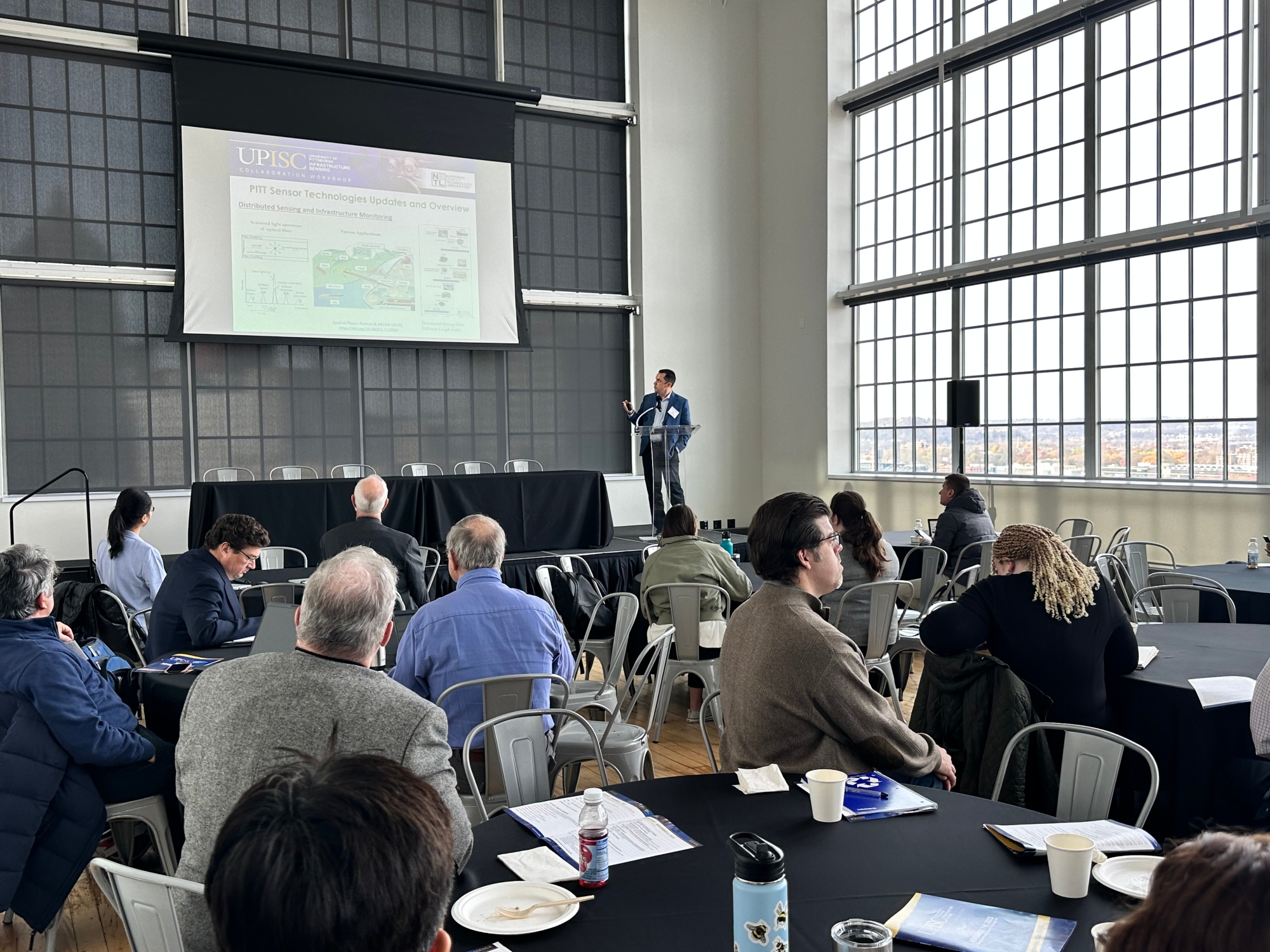
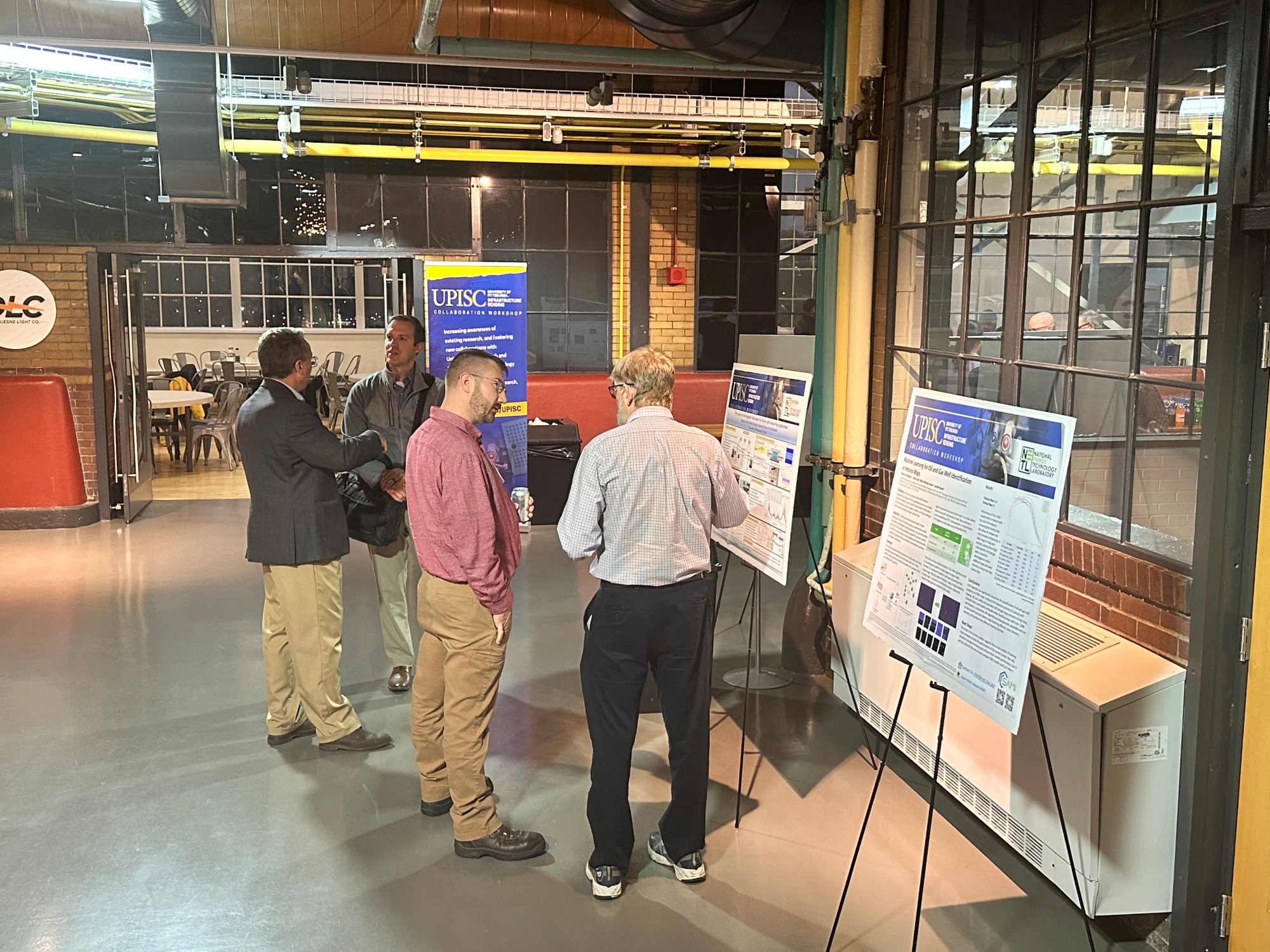
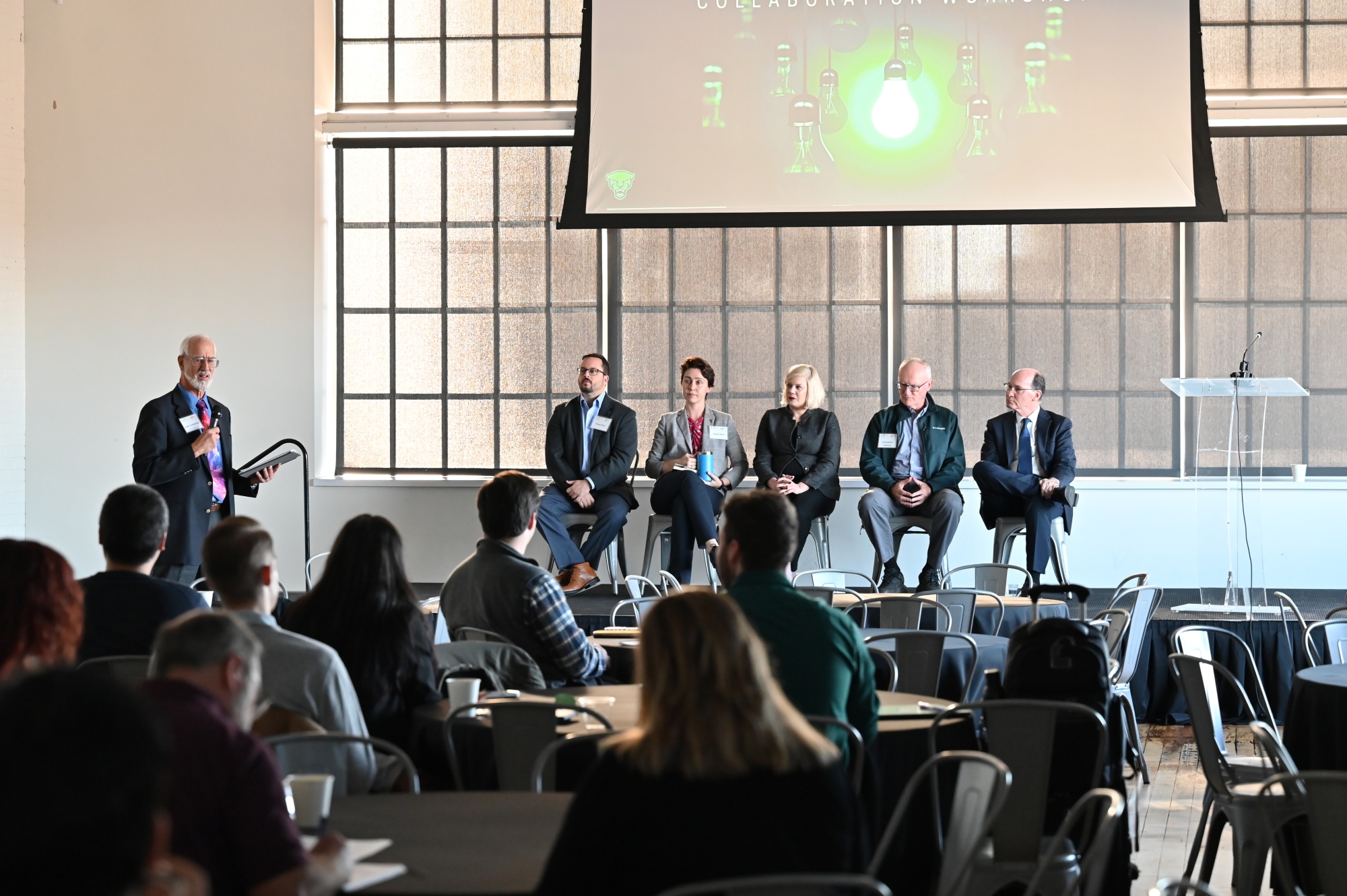
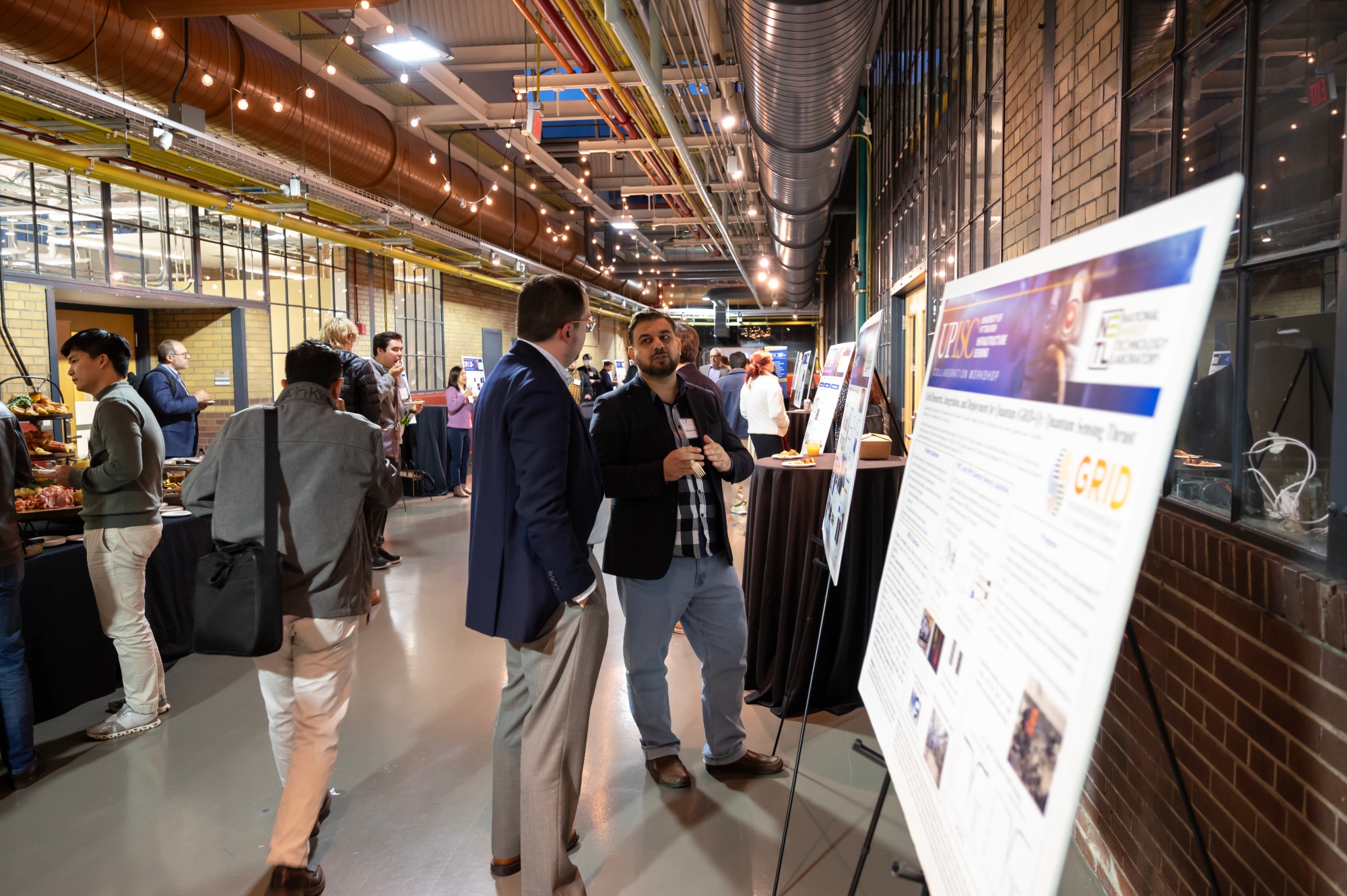
The 2026 workshop took place June 2–3 at the Energy Innovation Center, organized by Pitt and NETL with Navy engagement new that year and sponsored by the INSITES Consortium. It drew more than 100 registered attendees from more than 30 organizations and about 20 technical posters from Pitt and NETL students and researchers. It opened with plenary panels on emerging priorities and initiatives, with leaders from NETL, PJM Interconnection, and the City of Pittsburgh, and on national imperatives in quantum, AI, the electric power grid, and nuclear, followed by laboratory tours of the Energy Innovation Center. The second day covered NETL and Pitt sensor research, INSITES seed activities, condition-based monitoring, distributed fiber sensing, infrastructure connectivity, on-chip photonics, and nuclear applications.
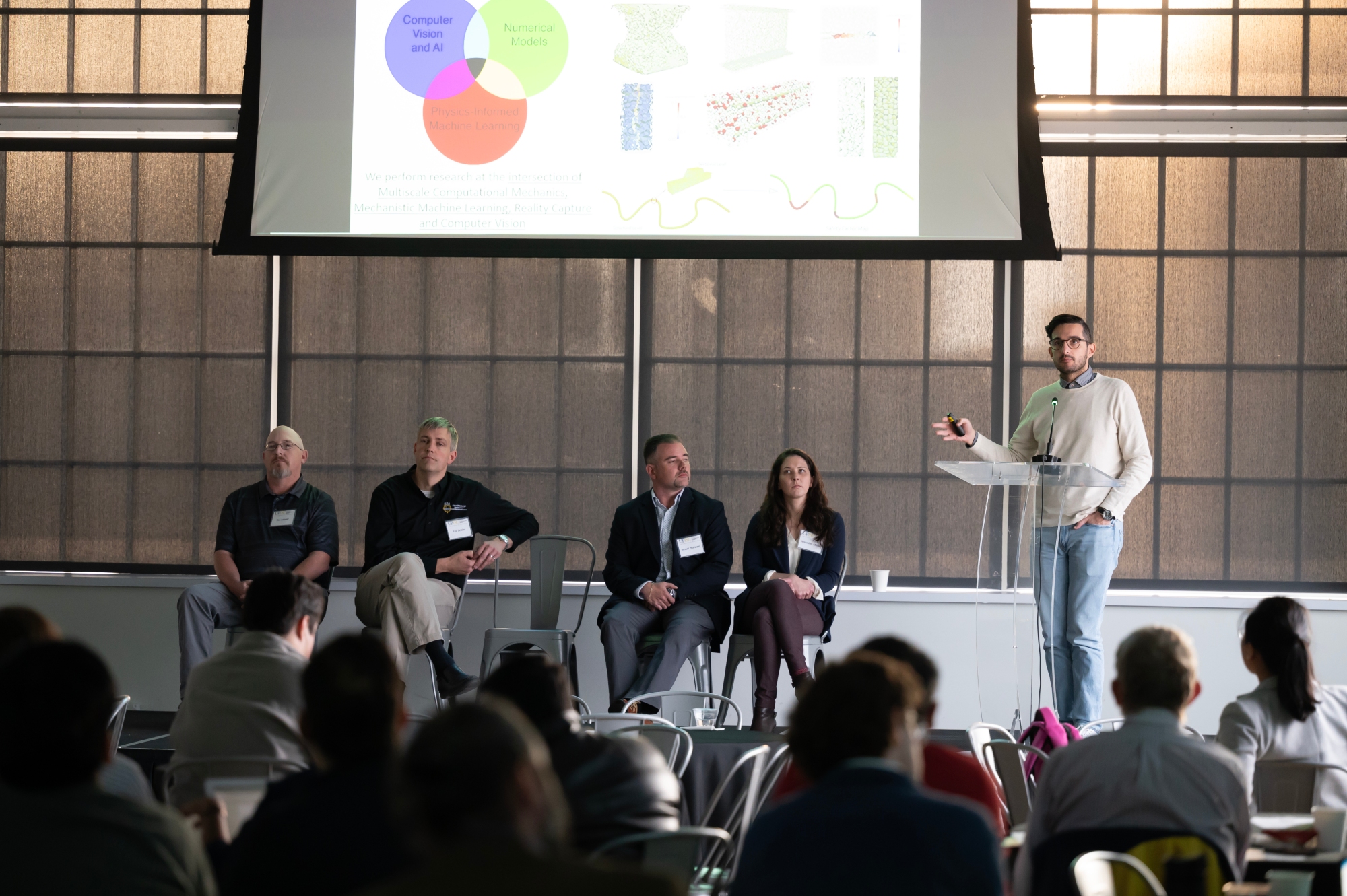
2023 UPISC Workshop
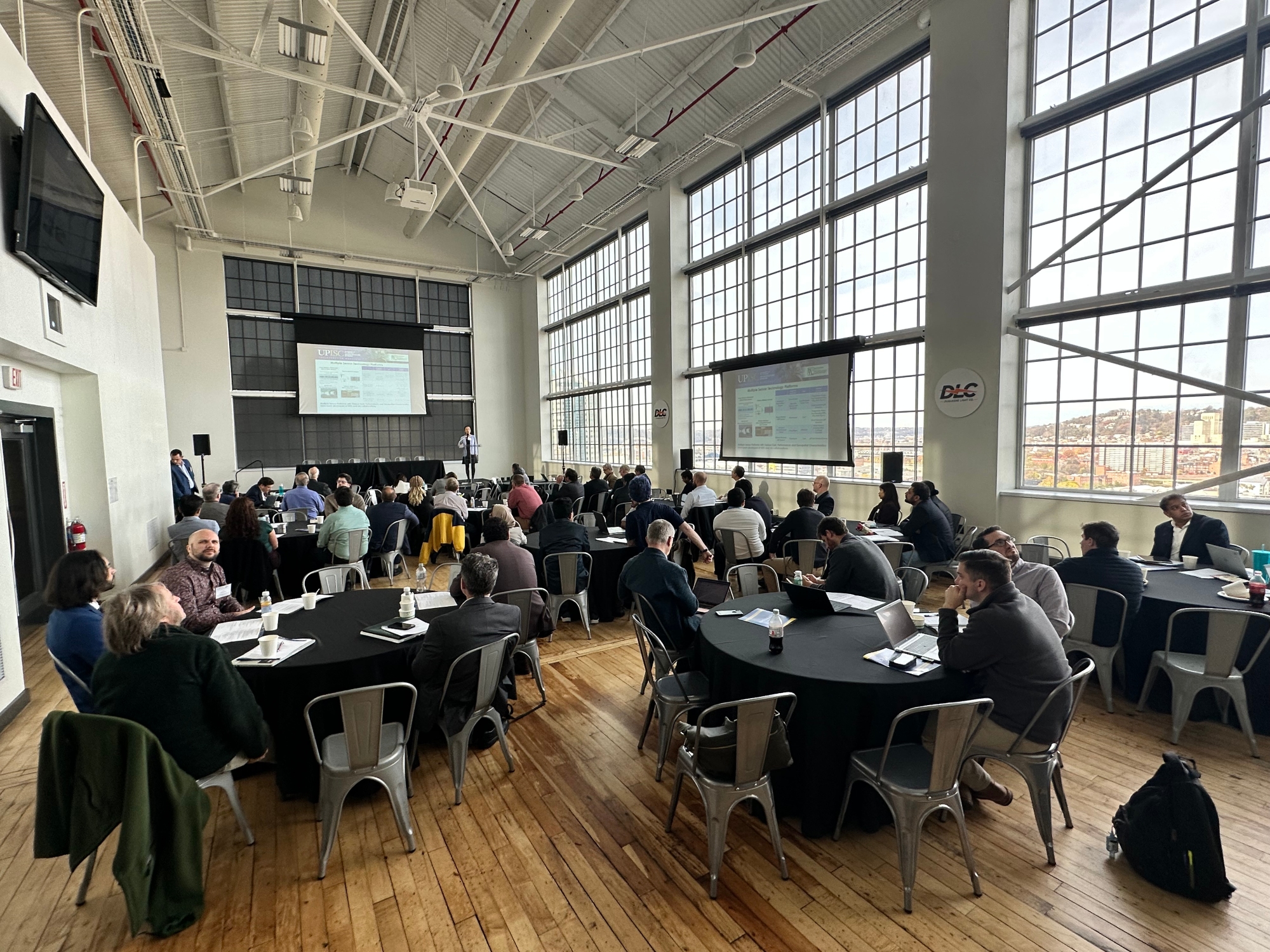
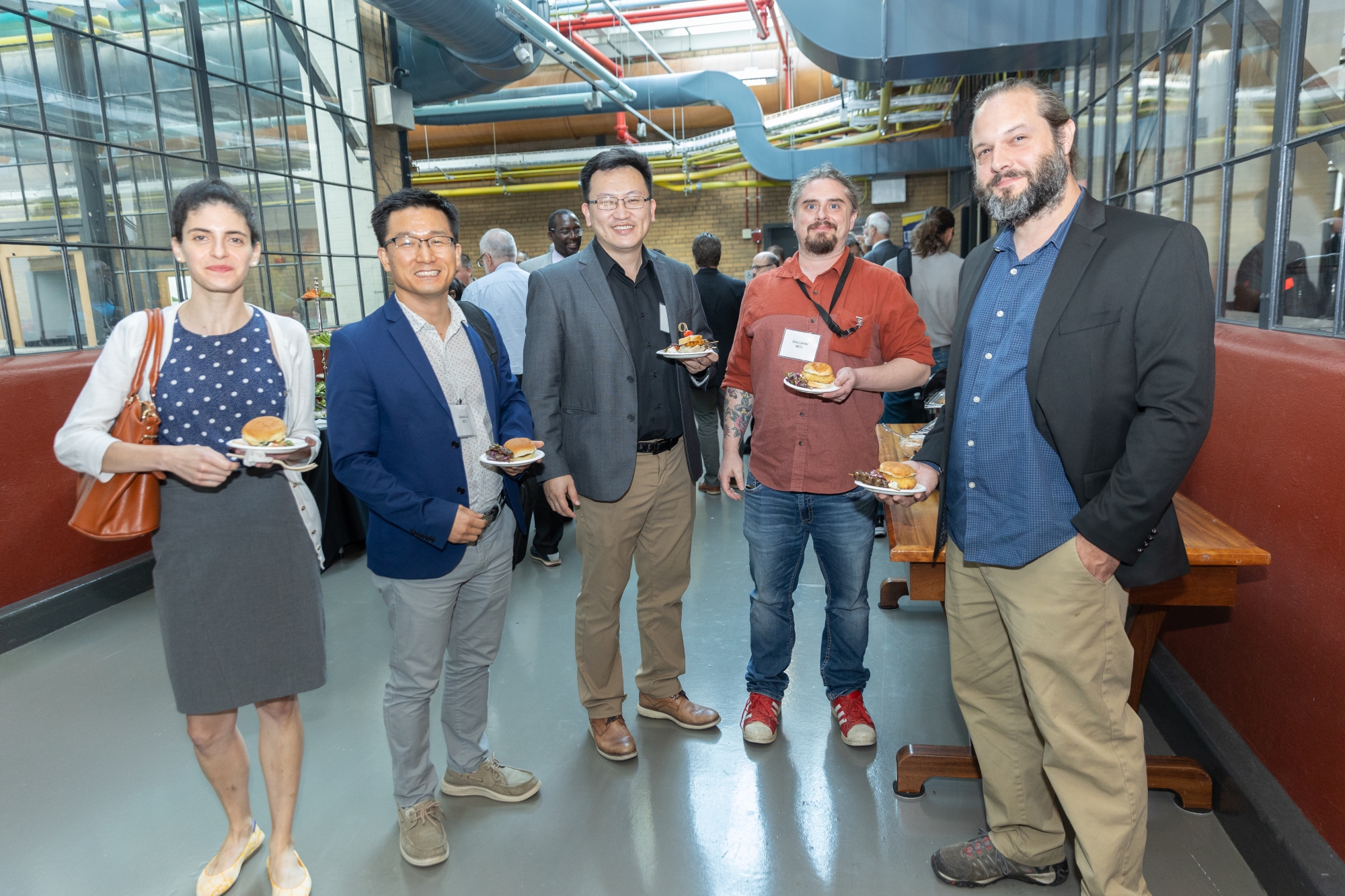
Past UPISC Workshops