
Research
Pitt’s energy research spans the full energy landscape, from novel and advanced technologies to traditional sources and the intersections of supply and demand, through a holistic systems lens. Our anchor is electric power and the grid, the interconnection between energy sources, loads, and storage, and we apply that experience to solutions for interconnected energy systems, from the sources that generate power to the loads that use it and the storage that balances them. The Center for Energy organizes this work into eight focus areas and four core centers, each building innovation ecosystems with industry, national laboratory, and government partners to move discoveries from fundamental science to real-world impact.
Focus Areas
- Advanced Materials: materials for harsh environments, solar, storage, thermoelectrics, sensors, and magnetic materials that determine how small and efficient power equipment can be.
- Applied AI and Digital Technologies: data science and artificial intelligence applied to energy systems, including the energy infrastructure that AI itself depends on.
- Cybersecurity: protecting energy systems where operational and information technology meet.
- Electric Power Grid: power electronics, transformers and grid equipment, grid-scale testing, reliability, and integration of renewable and distributed resources, with education through Pitt’s Electric Power Engineering program and the Electric Power Systems Laboratory.
- Energy Infrastructure Sensing: real-time monitoring of critical assets so operators can extend their life and capacity.
- Natural Gas and Hydrocarbons: building on Pitt’s petroleum engineering heritage, dating to the world’s first petroleum engineering program in 1910, to support the safe, efficient, and cleaner use of natural gas and other hydrocarbons, and educating students through the new Natural Gas, Renewables and Oil Engineering degree.
- Nuclear Technologies: research and education supporting advanced and existing nuclear technologies, including the Stephen R. Tritch Nuclear Engineering Program, in partnership with industry and national laboratories.
- Renewables: technologies and systems for integrating renewable generation and storage reliably into the grid, taught in programs such as Natural Gas, Renewables and Oil Engineering and Sustainable Engineering.
Core Centers
Our four core centers are the engines of translational research:
- Advanced Magnetics for Power and Energy Development (AMPED): a consortium formed in 2020 with North Carolina State University advancing soft magnetic materials and components, from fundamental science to end-use application
- Infrastructure Sensing for Intelligent Transportation and Energy Systems (INSITES): infrastructure sensing for transportation and energy, established in 2025 from the UPitt Infrastructure Sensing Collaboration
- Cyber Energy Center: cybersecurity where operational technology meets information technology, established in 2024
- Energy GRID Institute: grid technologies and testing, including a full-scale medium voltage testing laboratory that launched in 2016


Crosscutting Theme: Data Center and AI Energy Infrastructure
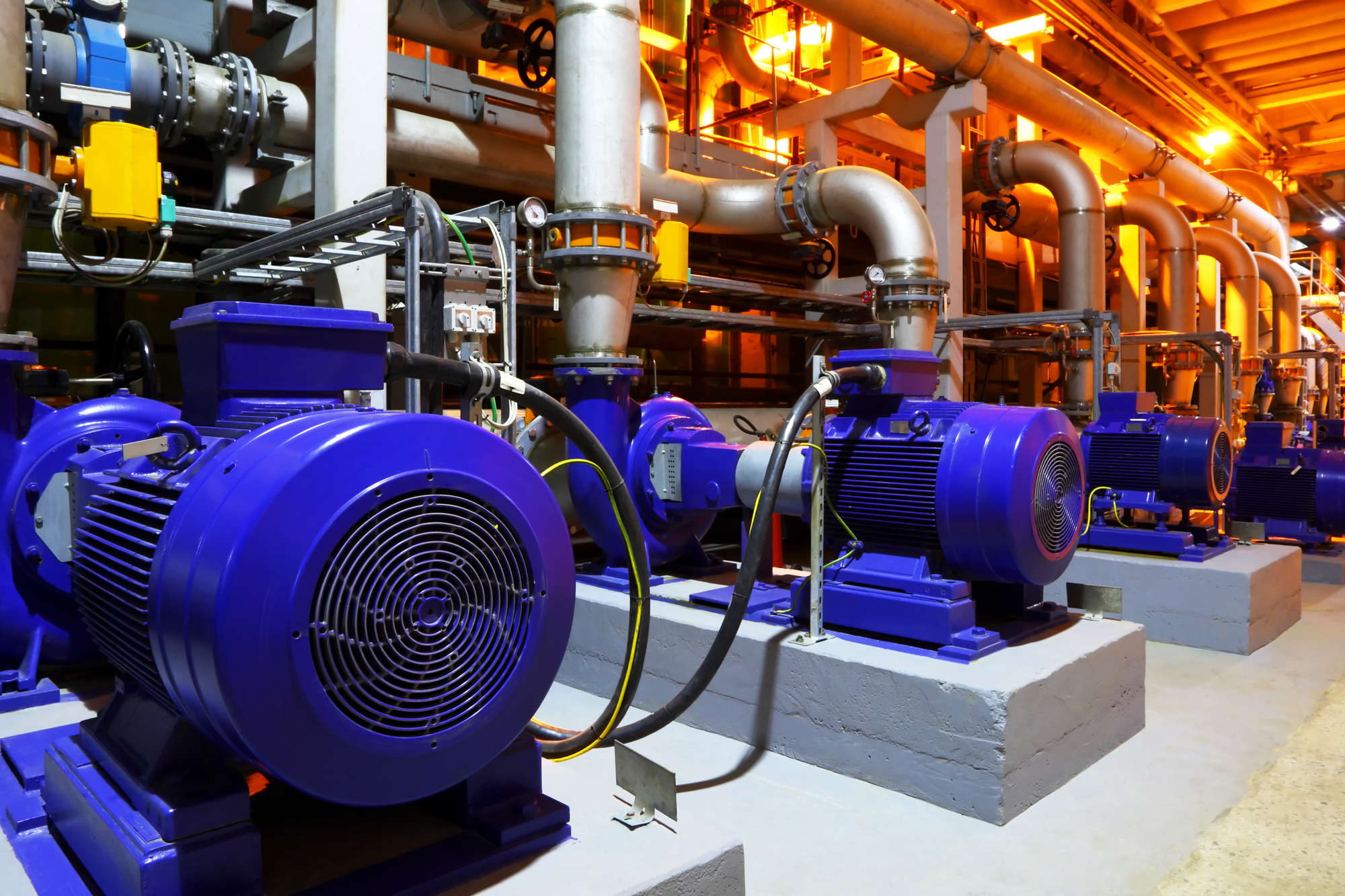
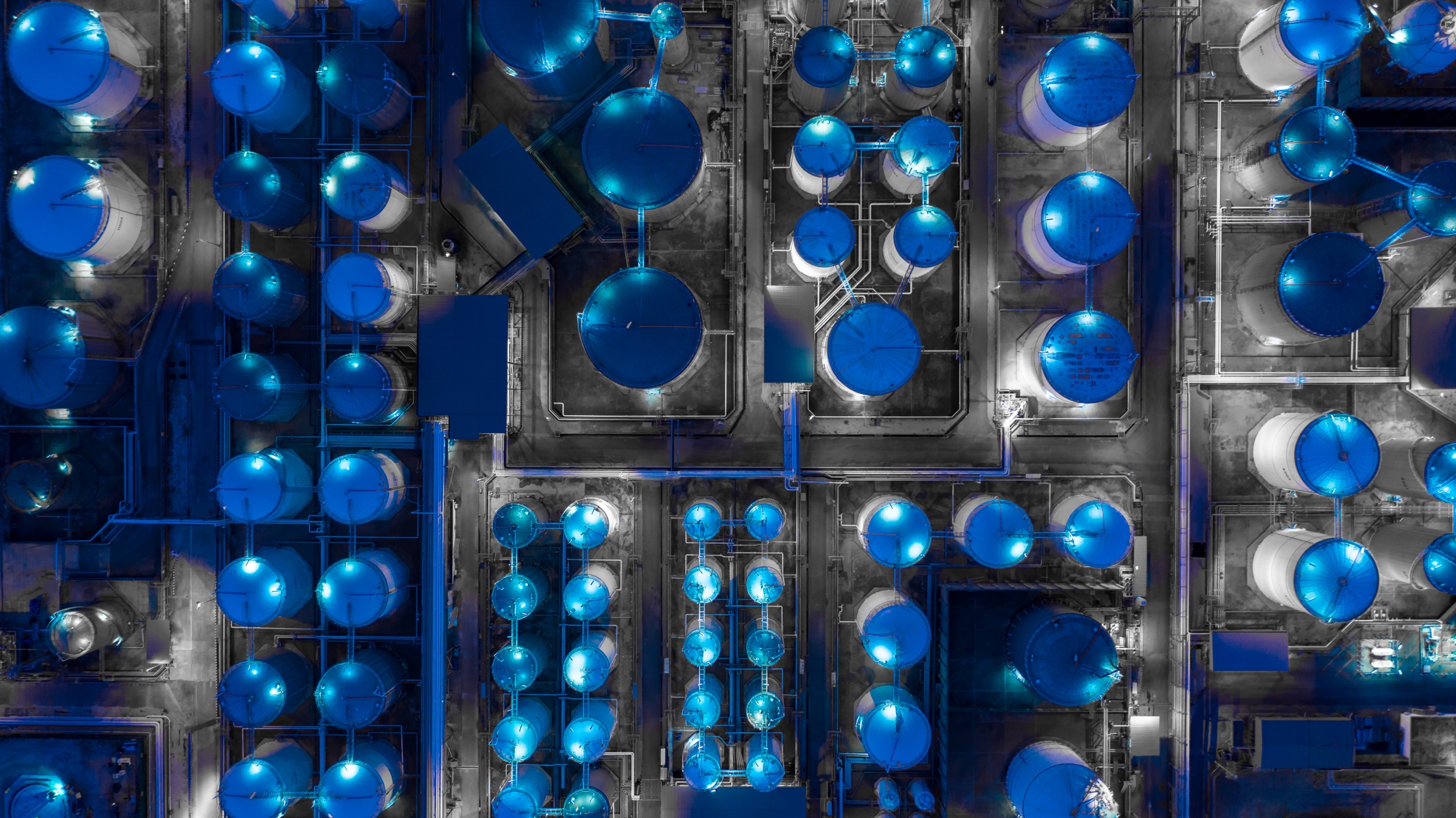
AI data centers have become enormous consumers of electricity, straining supply chains for transformers and other grid equipment. Powering them reliably and affordably is a systems challenge that draws on Pitt’s strengths in power electronics, magnetics, sensing, and cybersecurity, and the Center for Energy has made it the first of its crosscutting themes.
Our core centers address different parts of the problem: AMPED works on the magnetic materials and components inside transformers and power converters; INSITES on real-time monitoring of critical assets; the Energy GRID Institute on testing new technologies at grid scale; and the Cyber Energy Center on securing the systems that connect them. Pennsylvania, with its energy resources, manufacturing base, and universities, is well positioned to help power the AI economy, and Pitt is working with state, industry, and federal partners such as the National Energy Technology Laboratory to make that happen.
Energy Innovation Center
The Energy Innovation Center (EIC) in Pittsburgh’s Lower Hill District is the home of the Center for Energy’s applied and translational research, commercialization activity, and growing innovation ecosystem. The building was the Connelley Trade School, which trained Pittsburghers in the trades from 1931 until 2004, and was redeveloped as the EIC by the nonprofit Pittsburgh Gateways Corporation. Today it is a hub for clean-energy workforce development and hosts companies such as CorePower Magnetics, which builds advanced magnetic components for the power systems of the electrified future.
Pitt’s laboratories at the EIC began with an 18,600-square-foot suite announced in 2016 that includes the Electric Power Technologies Laboratory, an energy conversion and storage technologies laboratory, a high-temperature corrosion testing laboratory, and the Pitt Energy Incubator Laboratories. They now also host AMPED’s advanced magnetics laboratory and the Energy GRID Institute’s full-scale medium voltage testing laboratory. The vision for the EIC is multi-faculty laboratories organized around our centers and shared with industry, which will require expanding Pitt’s footprint in the Lower Hill District. The RETI Consortium also has a branch office at the EIC.
To learn about laboratory space or industry partnerships at the EIC, contact cfenergy@pitt.edu.
