
Education
Energy’s future depends on talent. Pitt prepares students for high-value jobs in energy-critical fields, from the electric grid, nuclear, and natural gas to data centers, advanced manufacturing, and materials, through degrees, certificates, apprenticeships, internships, and hands-on research with industry partners. Education, internships, and innovation programs are permanent components of the Center for Energy alongside industry research.
Explore the certificates and degrees below to find the right path.
Electrical Engineering

An undergraduate degree with an Electric Power concentration covering electric power engineering, distribution, microgrids, electric machinery, power electronics, and power quality, and M.S. and Ph.D. degrees with graduate courses in power system transients, smart grid technologies, microgrids and distributed energy resources, power electronics (FACTS and HVDC), power magnetic devices, and AI-enabled control and optimization.
Environmental Engineering

B.S., M.S., and Ph.D. degrees and a minor addressing the environmental impacts of energy, including emissions control, energy recovery from wastewater, produced water treatment, and life cycle assessment.
- Environmental Engineering BS
- Environmental Engineering Minor
- Civil Engineering - Sustainable Engineering Area, MSCE
- Civil Engineering - Water Resources Engineering Area, MSCE
- Sustainability and Environmental Engineering - Environmental Engineering Specialty, PhD
- Sustainability and Environmental Engineering - Sustainable Engineering Specialty, PhD
- Sustainability and Environmental Engineering - Water Resources Engineering Specialty, PhD
Natural Gas, Renewables, and Oil Engineering

The Natural Gas, Renewables, and Oil Engineering (GRO) program is designed to equip the next generation of engineers with a foundation in comprehensive global energy solutions.
This undergraduate engineering program is for students interested in a career focused on extracting and transforming oil and/or natural gas into energy and other resources while preparing the student for the transition to renewables.
Nuclear Engineering
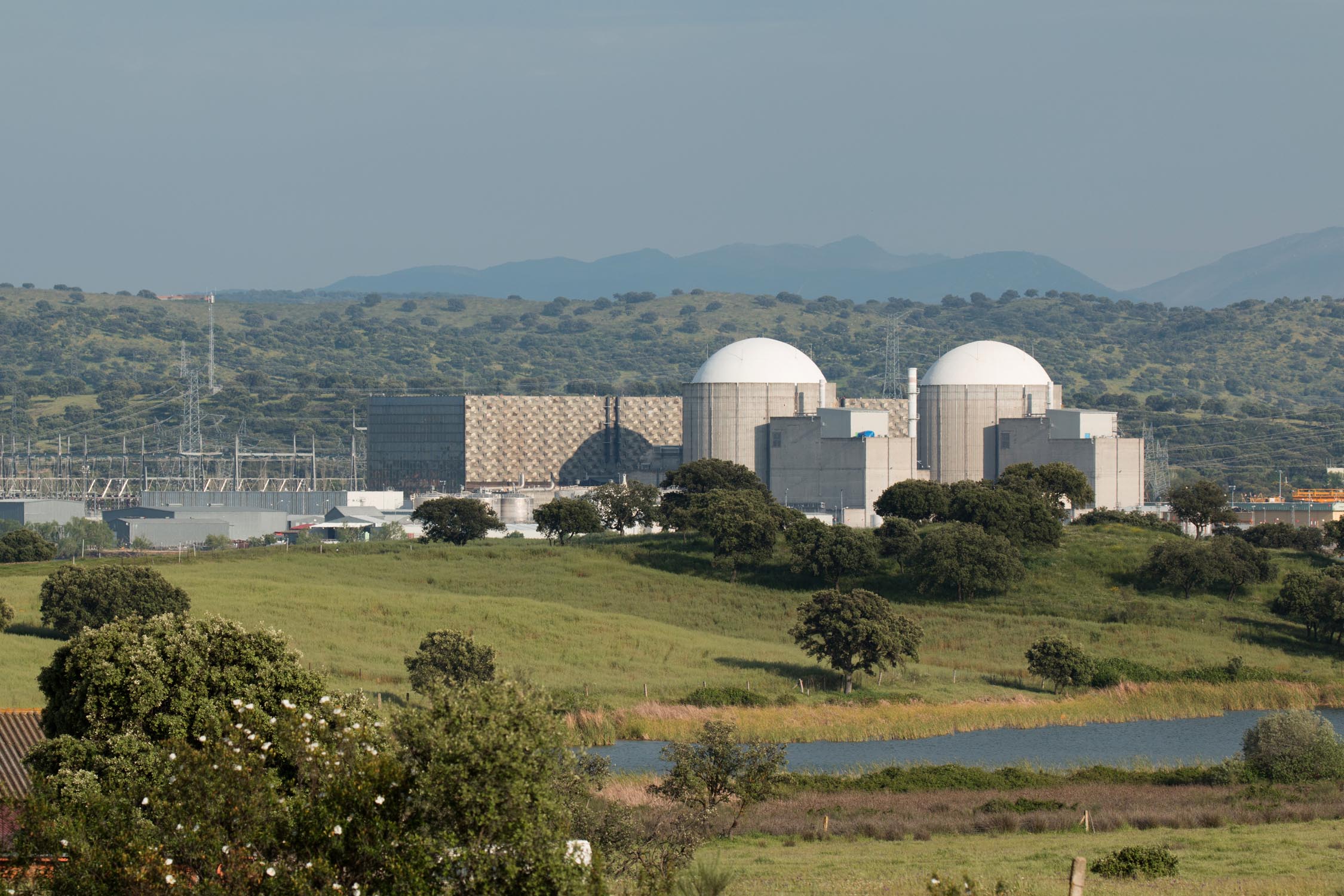
The Department of Mechanical Engineering and Materials Science offers nuclear engineering programs for both undergraduate and qualified graduate students.
Mascaro Center for Sustainable Innovation (MCSI)

MCSI co-creates research, education, and engagement opportunities by fostering connections to solve the complex challenges facing our planet. Our goal is to create a sustainability education opportunity for every Pitt student.
Hands-On Learning
Students learn in laboratories built for energy. The Electric Power Systems Laboratory, sponsored in-kind by Eaton and located on the Swanson School’s Energy Floor, supports research and education in microgrids, smart grid technologies, power electronics, renewable energy integration, controls, relaying, and power quality. Its capstone course in electric power quality is offered each spring, and numerous senior design projects, including industry-sponsored projects, are carried out there each year. Students also work in the laboratories of our core centers at the Energy Innovation Center, from AMPED’s magnetics laboratories to the Energy GRID Institute’s medium voltage facility.
Internships and Workforce Pathways
Summer internships, apprenticeships, remote and experiential learning, and workforce pathways built with industry and with the RETI Consortium connect students to the jobs the energy economy needs. The goal is that graduates fill high-value jobs in the region and that the benefits of energy innovation reach communities across the Commonwealth.
