
Something New, Somewhere New

This story is the second in a three-part series that explores the benefits and challenges of sabbaticals. In the first article, University of Pittsburgh Swanson School of Engineering professors reflect on their sabbaticals overseas. The next two installments will focus on professors who stayed closer to home or who blended an experience abroad with one in the United States.
These stories aim to highlight the varied and profoundly rewarding experiences professors have had, no matter where their sabbatical took them.
At the University of Pittsburgh Swanson School of Engineering, sabbaticals have led professors overseas, where they collaborated across cultures and disciplines to advance research and educational plans, shore up collaborations, and launch new projects.
Yet for every professor who has boarded a plane and crossed many time zones, there are others who stayed in the United States or who found a way to do both, to travel abroad and conduct research closer to home.
While most of the sabbaticals described in this story didn’t require a passport or a visa, they were no less productive, illuminating, or surprising. Indeed, as all these professors would attest, with careful planning, flexibility, and focus, one’s own research can become as new and exciting as a far-off destination. And the outcomes can be just as inspiring.
“There are so many directions.”
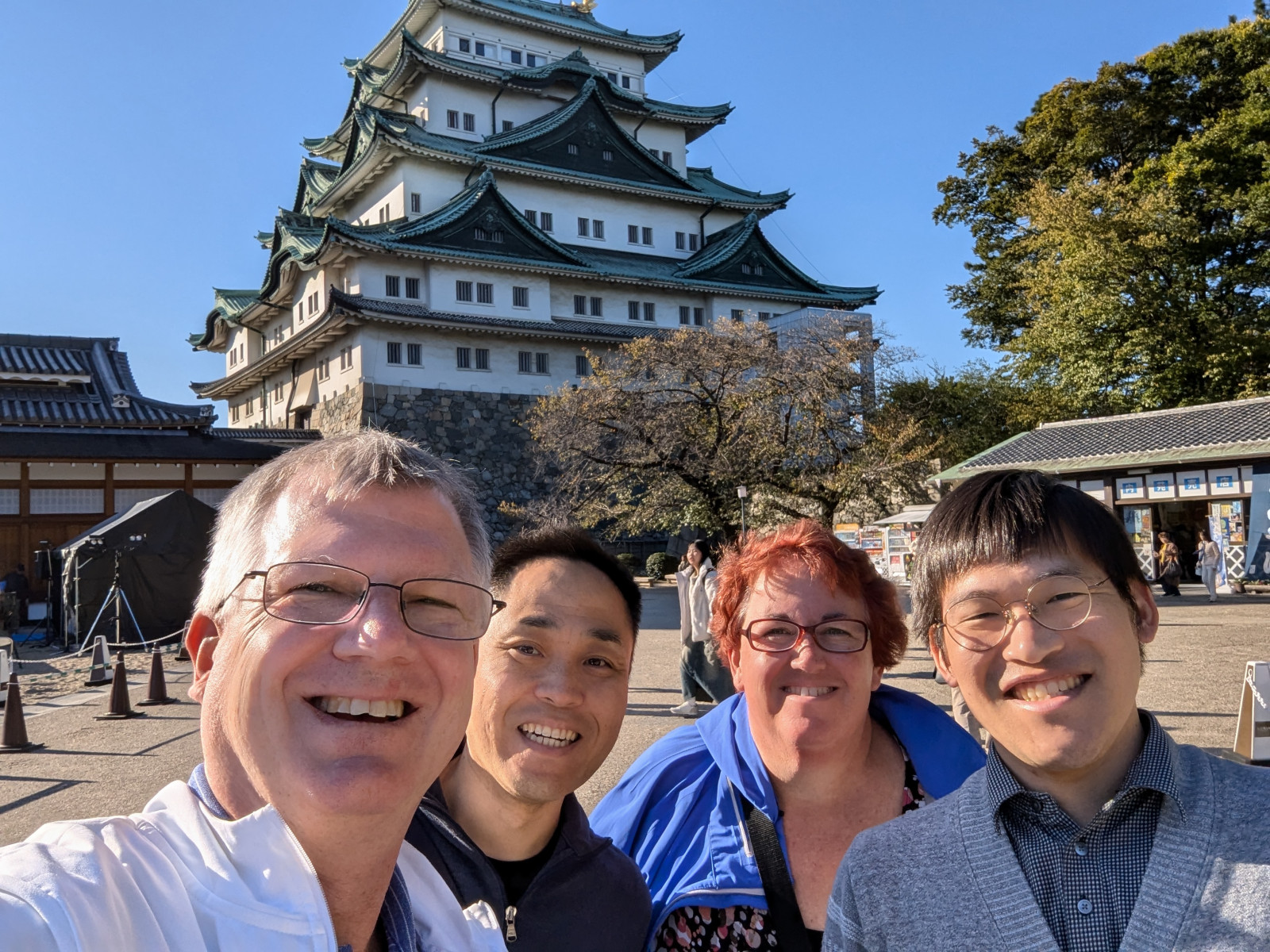
Richard Debski, professor of bioengineering and co-director of the Orthopaedic Robotics Laboratory, can trace his sabbatical back to his senior design project in mechanical engineering, when he was an undergraduate at Pitt.
Debski worked with the late Pitt orthopaedic surgeon Freddie Fu on a shoulder project that fascinated him.
“After that,” he said, “I never left.”
Flash forward to 2024: Debski had formed many connections with research fellows and collaborators, mainly in Japan and California, and he wanted to strengthen those bonds.
He had never taken a sabbatical and through careful planning realized he could visit both places and see firsthand where his colleagues conducted their research.
That fall, he traveled to Japan for three weeks at three universities. “I gave lectures, worked with students, and conducted experiments,” Debski said. “Most importantly, I deepened relationships with research fellows there.”
His trip resulted in two grants with two of the institutions as well as a monthly video conference. “This never would’ve happened without getting to meet people, share meals, and discuss ideas that lead in new directions.”
From Japan, Debski traveled to Pasadena, California, where a colleague works at a private orthopaedic research foundation. “I wanted to experience a different environment and see the private research funding model in action.”
The sabbatical illuminated research in Japan and at American foundations. It strengthened connections, which is leading to new study. Today, Debski and his colleague in Pasadena are working together on a book chapter.
“You meet a lot of smart, interesting people.”
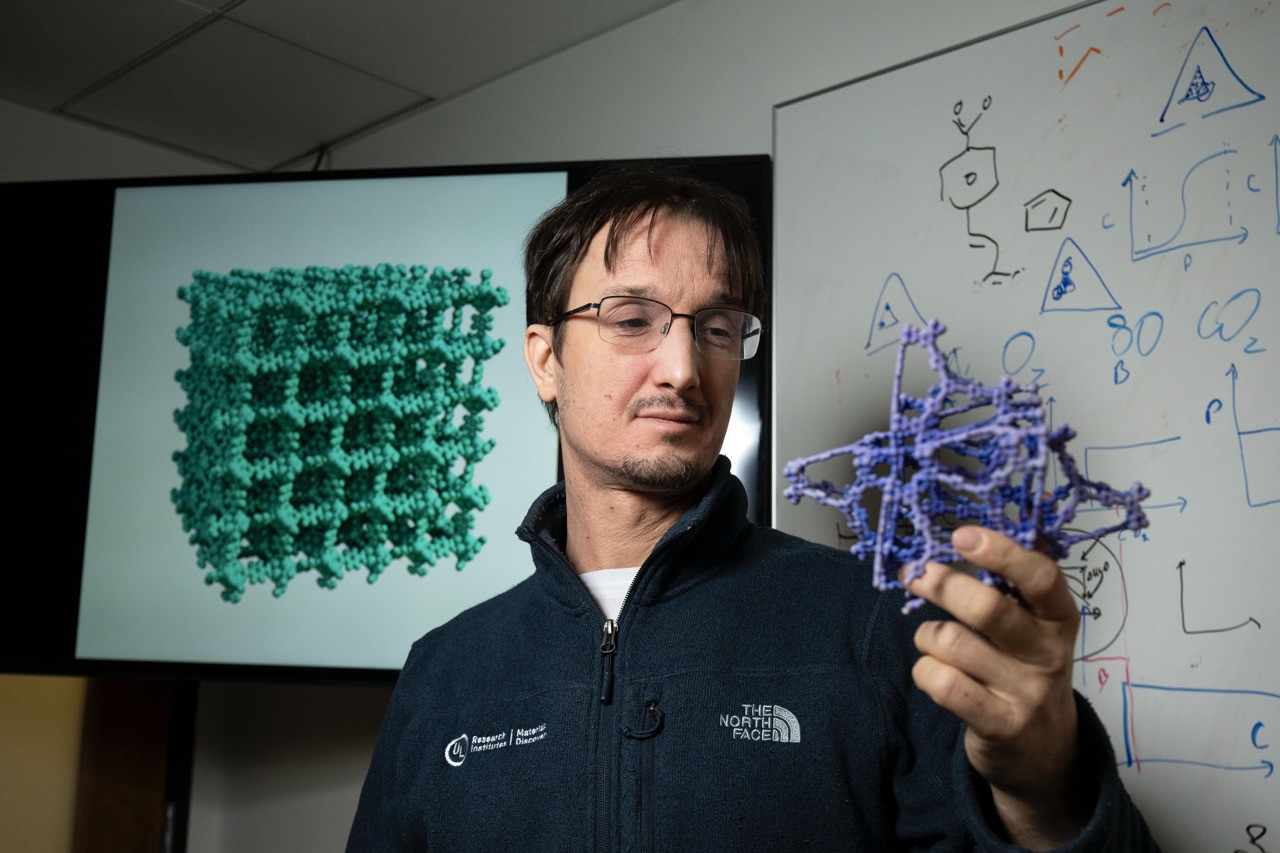
Like Debski, Christopher Wilmer wanted “a change of perspective, to see how things work in others’ lives.” So when an opportunity to spend a semester conducting research at the Underwriters Laboratories Materials Discovery Research Institute (ULMDRI) as its inaugural sabbatical researcher, he took his overdue leave.
Wilmer, associate professor and Wellington C. Carl Faculty Fellow in the Department of Chemical and Petroleum Engineering, traveled to the private lab in Chicago, the city where he’d earned his PhD. He launched research into the thermal stability of porous materials.
Along with starting the research and immersing himself in an unfamiliar setting, he met new scientists. “The networking was one of the most valuable aspects, getting to meet potential collaborators,” he said.
Returning to Chicago was bittersweet, though. Wilmer loved the city, but his wife and son stayed in Pittsburgh. “I found it hard to be away from my family.”
He’s still grateful for the sabbatical. “It gave me the time to reflect, which has altered the direction of my research.” For Wilmer, who directs the Wilmer Lab, that direction is smell. “My research group today is almost exclusively focused on developing electric noses.
“Dogs are state of the art technology when it comes to smell. They can detect kinds of cancer and other diseases as well as landmines or even people buried deep under snow. We’re working to develop sensing materials that can replicate this ability.”
Of sabbaticals, he said, “It's disruptive to one's normal routine, but it’s a unique opportunity that can take you in unexpected directions.”
“There’s a whole community you’re still part of.”
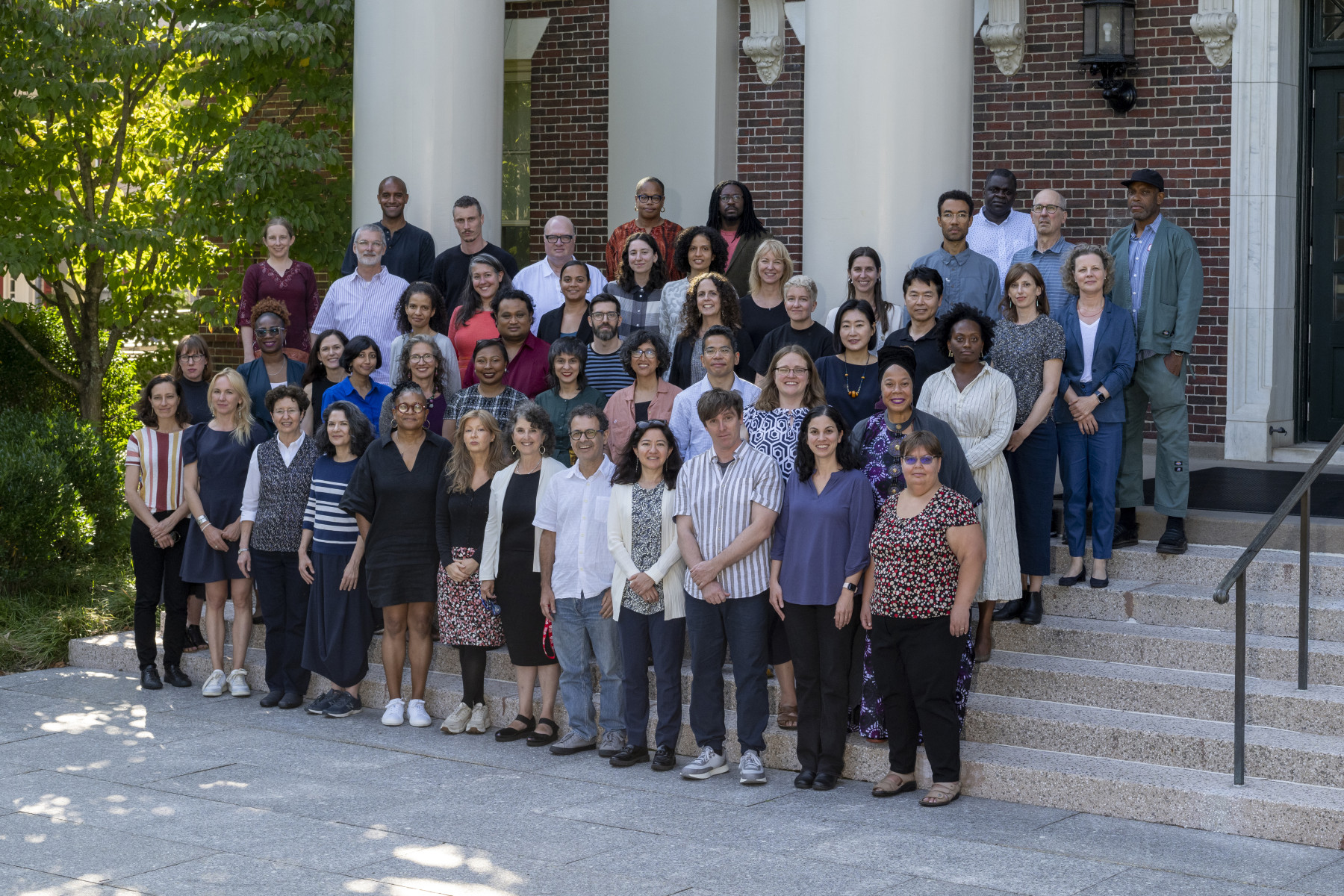
In 2023, Anne Robertson returned to the University of California Berkeley, where she earned her MS and PhD and received her postdoctoral training. She was there to deliver the 15th Elsevier Distinguished Lecture in Mechanics, and a visit with her postdoctoral advisor set in motion an opportunity to connect with scholars across disciplines and even attend class… as a student.
“My postdoctoral advisor, Dr. Susan Muller, encouraged me to apply for a Harvard Radcliffe Fellowship,” said Robertson, Distinguished Service Professor of mechanical engineering and materials science.
Robertson did, and she was accepted to the prestigious program. She set out to Cambridge, MA, for a year-long sabbatical.
At Harvard, Robertson, who investigates soft tissue biomechanics, was immersed with diverse scholars. There were historians, physicists, doctors, writers, even a poet laureate.
They regularly ate together, and each week two fellows delivered public lectures. “We shared ideas and experiences,” Robertson said. “It was inspiring and intellectually enriching to be exposed to such a broad range of research by top scholars.”
It was also a unique, illuminating and, ultimately, gratifying challenge to prepare her lecture, about her team’s research into the brain and the bladder, for such a varied audience.
Robertson sat in on a course too, Science and Cooking, which explores physical phenomena through the lens of food and its preparation. It included lectures by Brazilian Chef Alex Atala and James Beard Award winning baker Joanne Chang.
It fascinated her so much that she plans to develop a similar course at the Swanson School. “The professor shared her course materials, and we brainstormed about how to develop a program here. This transfer of knowledge, which happened all year, was amazing.”
Although she had to navigate being away from her son and two daughters and continue to coordinate research and faculty programs at Pitt, the experience was hugely rewarding.
“I had the opportunity to see my research through so many lenses, and I’m still in touch with the fellows. We continue to share ideas and perspectives,” Robertson said. “Just getting away on a sabbatical leave was tremendously stimulating and re-energizing.”
“I really wanted to know.”
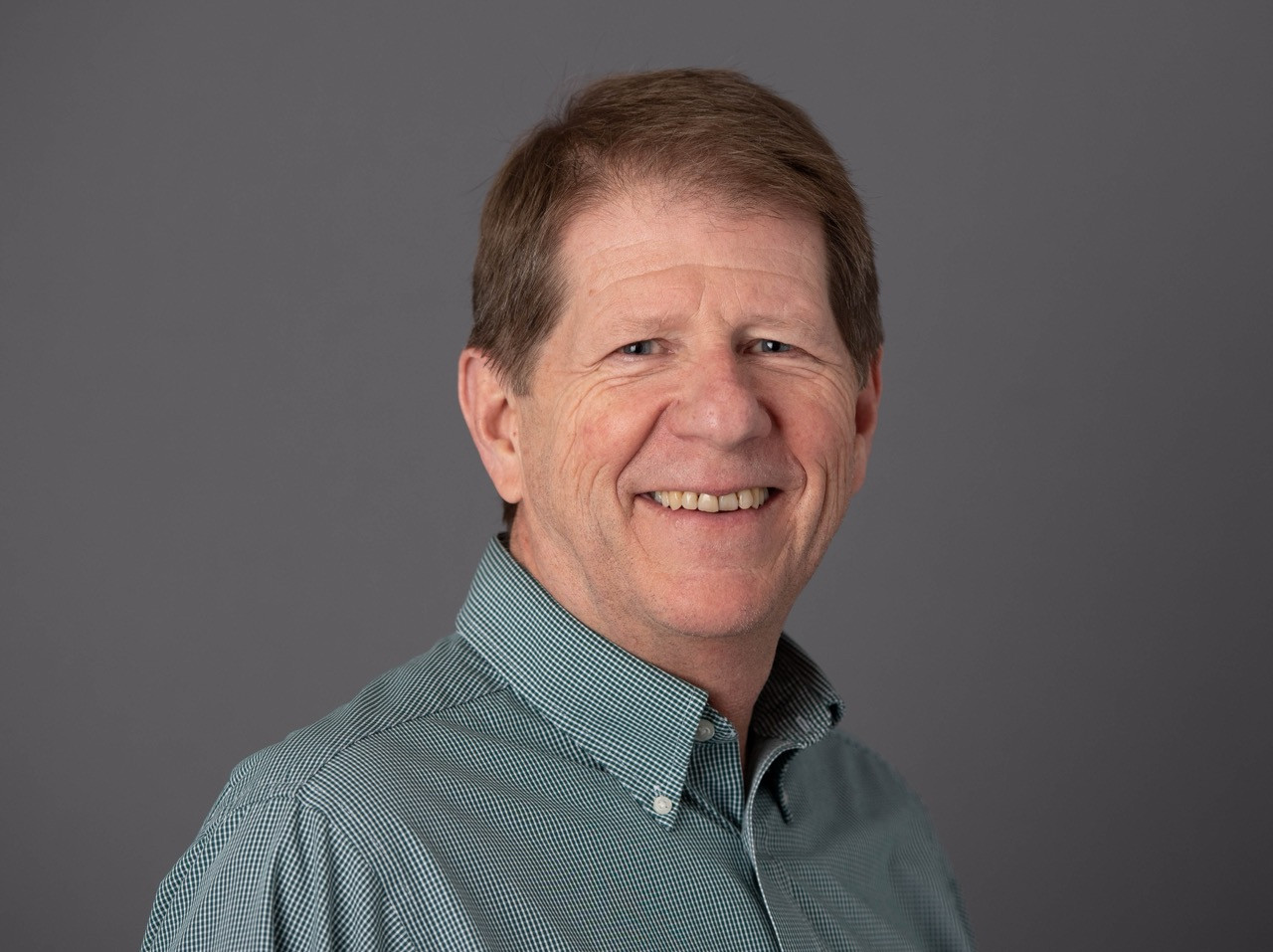
When Mark Redfern, professor of bioengineering, was serving as Pitt’s vice provost for research, companies would reach out to ask if the Swanson School had students graduating with experience in human factors engineering for medical devices. They needed help meeting Food and Drug Administration (FDA) medical device submission requirements.
Human factors engineering involves designing devices such as glucose or blood pressure monitors that people can use easily and effectively.
“We had worked with other industries applying human factors principles in design, but I didn’t know how the FDA evaluated devices from a human factors perspective,” Redfern said.
That changed in 2017, after he stepped down from his role as vice provost for research and took a year-long sabbatical. He spent four months working with collaborators at the University of Michigan and then traveled to Maryland, where he spent four months at the FDA.
“I helped them set up a laboratory but also spent time with the human factors people,” he said.
When Redfern returned from sabbatical, he developed a new course, Bioengineering 2175: Human Factors Engineering of Medical Devices. It was different from any other he’d created. It takes a cross-disciplinary approach to the design and evaluation of medical devices. Thanks to connections Redfern made on sabbatical, FDA officials and people from industry have guest-lectured over Zoom.
Without having spent time at the FDA, Redfern believes he would never have created this course. “I wouldn’t have designed it because I wouldn't have known.”
Of sabbaticals, he said, “The key is to do something new, something you've never done before.”
He added: “There are always factors like family and research, but a sabbatical is worth it. That's the bottom line: just do it.”