
Slick Science

Oily floors are slippery, costly, and one of the leading causes of workplace injury. Predicting just how slippery they'll be is now a good deal more reliable, thanks to a team of Swanson School of Engineering researchers whose work earned the 2025 Best Paper Award from the ASME Journal of Tribology.
The winning paper, “Validation of a Multiscale Hysteresis Mechanics Model in Predicting Oily Shoe-Floor Friction Across Surfaces With Varying Finishes,” tackles a common hazard: floors made slippery by oil. The team, including Henry Ing (BS BioE ‘22, MS ‘24), Professor of Bioengineering Kurt Beschorner, and Professor of Mechanical Engineering and Materials Science Tevis Jacobs, validated a model that predicts how much friction exists between a shoe sole and a floor surface when a contaminant is present. The paper was part of Ing's master's thesis, conducted under the direction of Beschorner in the Human Movement & Balance Laboratory (HMBL).
"Our research team has been focused on advancing insights on how shoe-floor friction develops,” Beschorner said. “These insights enable us to develop tools like Henry's model that can aid footwear companies in designing safer products. Henry had an incredible contribution to the overall effort to make shoes safer, and I am very proud that his work was recognized by the journal."
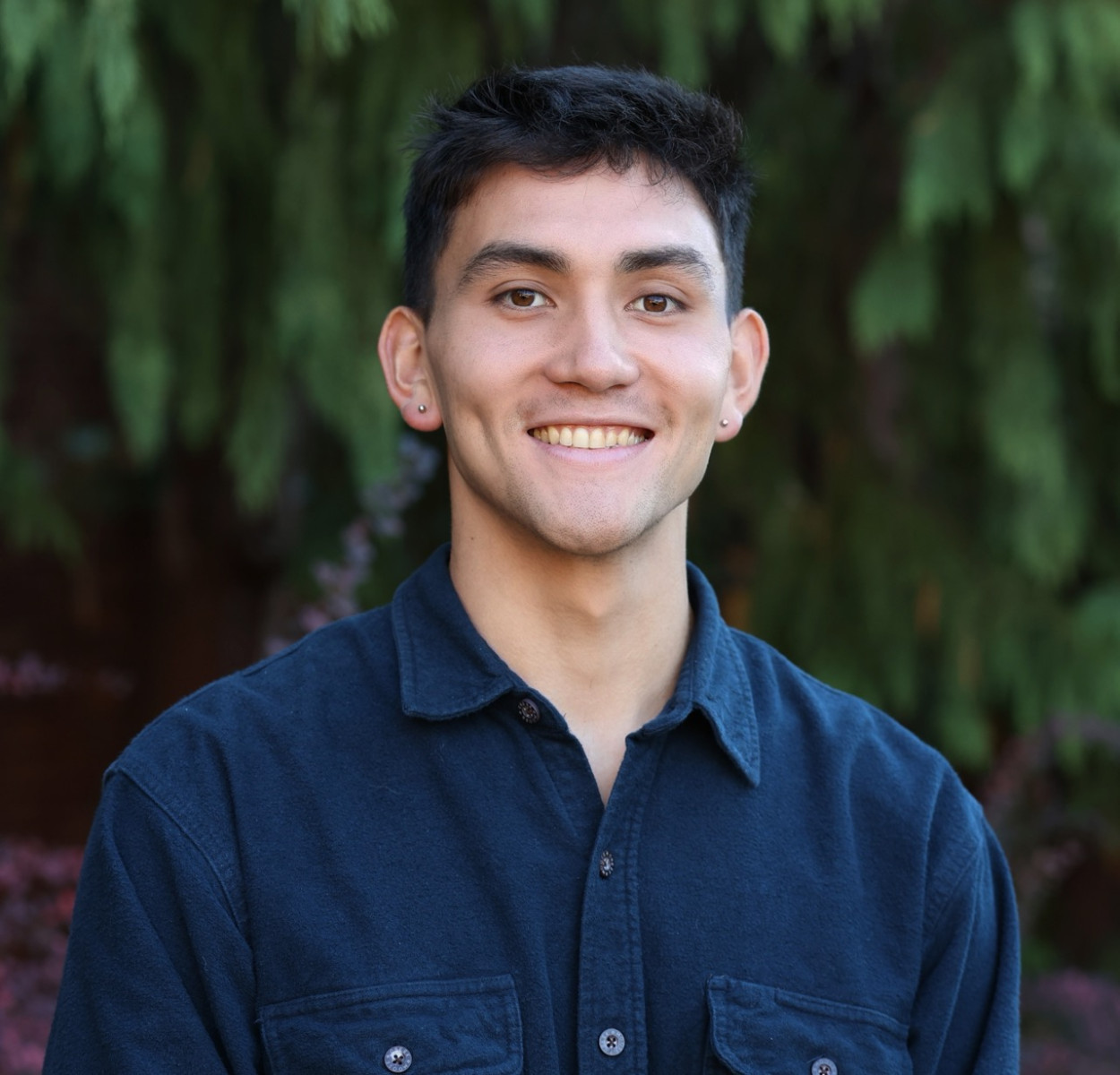
By testing three shoe types across ten different tile surfaces, they confirmed the model works reliably across a range of surface textures and sole materials. Footwear and flooring manufacturers can use this model to more efficiently develop products that improve traction, and workplaces can better understand and reduce slip-and-fall risks, one of the most common causes of workplace injury.
“The primary benefits of this paper are the increased efficiency of selecting outsole materials or surfaces to maximize friction and an improved understanding of how contaminants affect friction,” Ing said. “This can be helpful for workplaces trying to decrease slip risks, or for footwear or floor companies trying to develop materials or surfaces, respectively, that contribute to increased friction.”
Ing has since completed an additional MS in Sports Product Management at the University of Oregon and will soon begin work as a perception researcher at Brooks Running.
"I did not expect to win best paper and was shocked to hear the news," said Ing. "I am incredibly honored, and more than anything I think this is a reflection of the quality of work that the Human Movement & Balance Laboratory and the Tevis Jacobs Lab do, as well as how amazing Dr. Beschorner is as a mentor and researcher."
Want to learn more about the winning paper’s results? Read the feature story.