
Why a Pittsburgh Bridge Failed

Photo above: Tom Gorham (left) discusses the Fern Hollow Bridge collapse with Kent Harries.
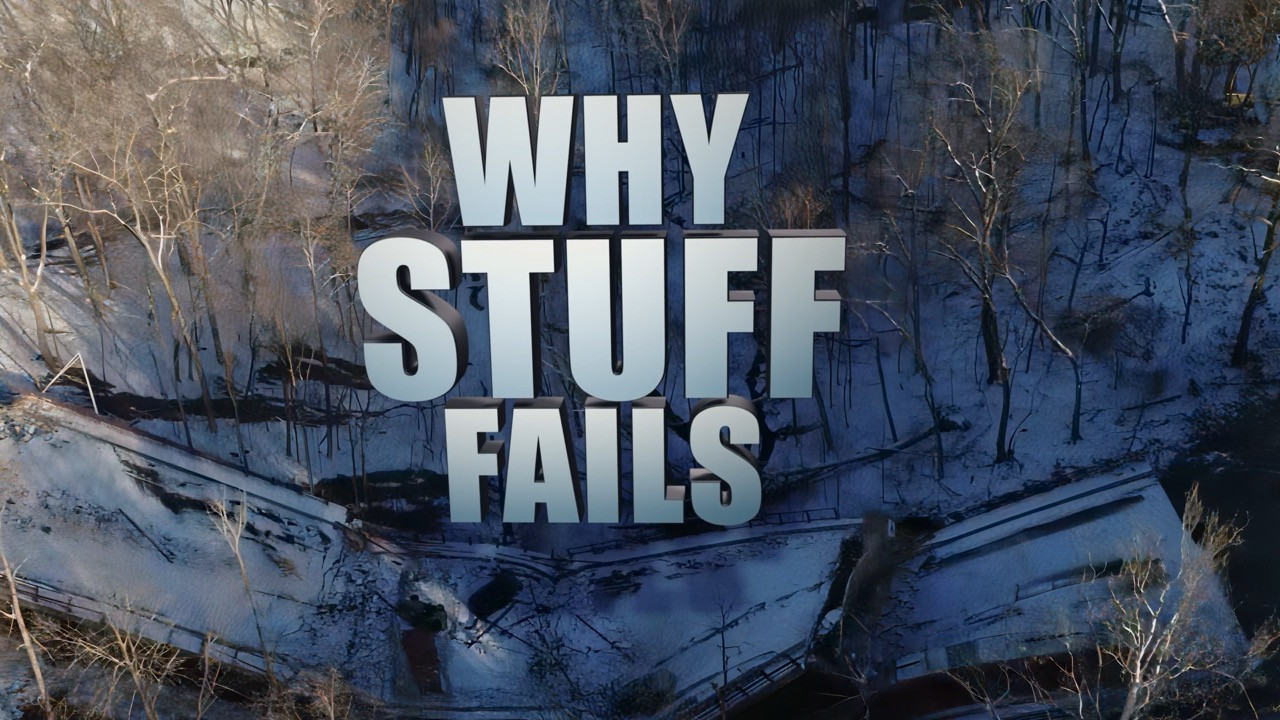
Engineering failures can be devastating, but they’re also instructive. In a new episode of the YouTube series Why Stuff Fails, University of Pittsburgh civil engineering professor Kent Harries joins British TV producer and director Tom Gorham to examine why Pittsburgh’s Fern Hollow Bridge collapsed and what it teaches us about design, inspection, and maintenance.
Gorham first “stumbled into” engineering disasters in 1999 while working on a program about physical geography. He was documenting the Tangiwai disaster, a 1950s volcanic eruption in New Zealand that triggered a dam collapse and mudslide, toppling a rail bridge just as a passenger train crossed it.
After that, no matter the project he was working on, disasters followed - the Concorde crashed, the Challenger exploded, the Champlain Tower fell - and soon he was trying to make sense of them in shows like Massive Engineering Mistakes or the TV movie Flight 370 – The Missing Link.
Last year, with fellow producer Julian Watson, Gorham launched Why Stuff Fails to give engineering its due, inviting subject matter experts to analyze how and why failures happen. Since then, he’s produced six episodes, each 20–30 minutes, exploring events including the Florida International University pedestrian bridge collapse and the sinkhole that opened beneath the National Corvette Museum in Ohio, swallowing eight vintage Corvettes.
“I’d been producing a show that covered four stories in 44 minutes, and the engineering tended to get short shrift,” Gorham said. Although he studied biology in college, he became increasingly interested in how bridges, buildings, and machines work, and how they can unravel.
For the Fern Hollow Bridge collapse, Gorham turned to Harries, PhD, FASCE, FACI, FIIFC, P.Eng at Pitt’s Swanson School of Engineering, who has spent his career in forensic engineering. Harries has investigated structural collapses in many capacities and is regularly consulted by reporters, lawyers, and government officials.
After the Lake View Drive Bridge collapsed onto Interstate 70 in Washington County on December 27, 2005, Harries helped test the remaining girders and identify the source of the failure. He has provided forensic investigation about the Lowe’s Motor Speedway pedestrian bridge collapse following a NASCAR event in May 2000 and has consulted in multiple capacities on the I‑35W Mississippi River bridge collapse in Minneapolis in 2007. This summer, he will be conducting a review survey of glass‑fiber composite bridge decks in the Pittsburgh region.

Harries knows Pittsburgh’s aging infrastructure well, including the Fern Hollow Bridge, which fell into a Frick Park ravine on a cold, snowy morning on January 28, 2022, injuring ten people. He first spoke with Gorham about the collapse that same year, before the official report was released, for Massive Engineering Mistakes. He welcomed the chance to revisit the story in more detail for Why Stuff Fails.
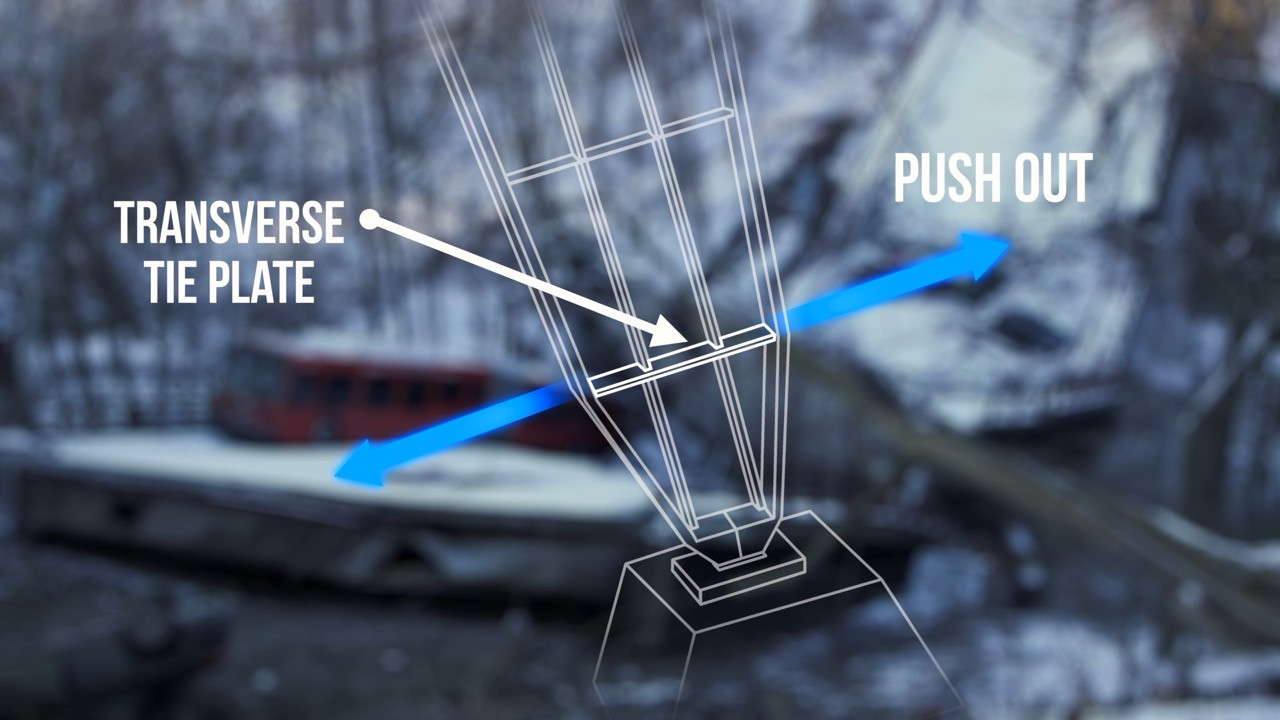
“I appreciate this effort to explain the science and engineering in a responsible manner,” Harries said. In the episode, he explores the bridge’s history, unique design, and failure sequence, and why it’s vital to get both the engineering and the maintenance right.
“These stories underscore how hard engineering can be and how important it is to do it right,” Gorham said. “We tend to take the built world, the built environment, for granted. But I hope that people will appreciate the engineering behind everyday structures and the vital importance of keeping them safe.”
“It’s worth it,” Harries added about this kind of reporting. “You know, it’s worth doing a good job.”
Watch the episode: Miracle in Fern Hollow! The Pittsburgh Bridge Collapse.