
Pitt Students to Showcase Ten Weeks of Hands-On Research at MCSI Summer Sustainability Research Symposium
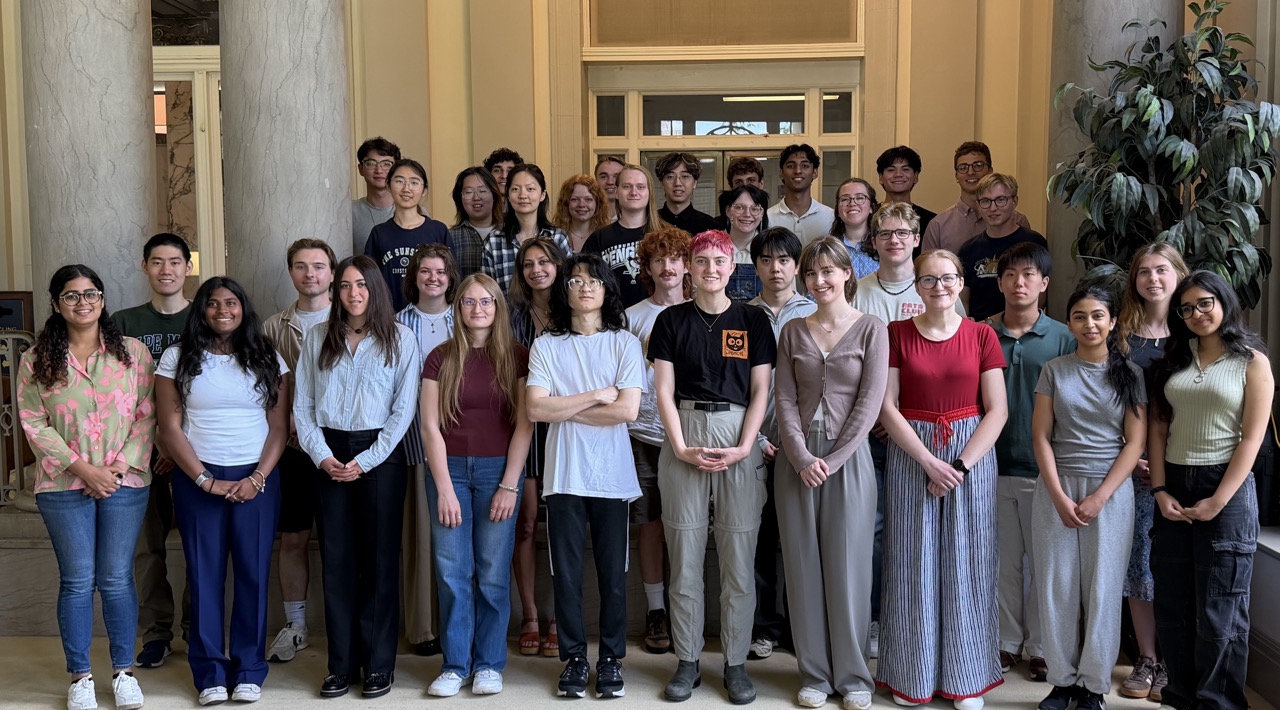
Photo above: Students participating in the 2026 MCSI Summer Research Training Program in Sustainability.
When the University of Pittsburgh Mascaro Center for Sustainable Innovation (MCSI) launched in 2003, its first initiative had a clear purpose: give undergraduate students an opportunity to get out of the classroom and work hands on in a lab. The following summer, through the Summer Research Training Program in Sustainability, students would learn sustainability through real research.
What began in 2004 as five students from the Swanson School of Engineering working with a few faculty members today is a university-wide initiative. This year, 35 students across disciplines were paired with a Pitt faculty member, and for ten weeks they traded the classroom for the lab, becoming full-time researchers alongside their mentors, graduate students, and community partners.
On Wednesday, July 22, that research will be presented at the 2026 Summer Sustainability Research Symposium, where students will deliver eight-minute presentations of their projects. Free and open to the public, the event takes place on Wednesday, July 22, from 9:30 a.m. to 1:00 p.m., on the fifth floor of the William Pitt Union.
“It's amazing to see the students grow and learn, to see what they accomplish in ten weeks,” said Gena Kovalcik, co-director of administration and external relations at MCSI, who helps direct the program. “Very quickly they become experts, in their own way, on the topic they've been working on.”
Connecting students, faculty, and the community
Each fall, MCSI invites its approximately 100 sustainability-associated faculty members from across Pitt to propose research projects. In January, students can apply, selecting their top two projects. The selection committee reviews the applications and works with faculty to match students to projects.
“It's a competitive program,” Kovalcik said. “This year we had 114 applicants for our 35 spots. All the students were incredibly talented, so it’s difficult to pick who gets funded.”
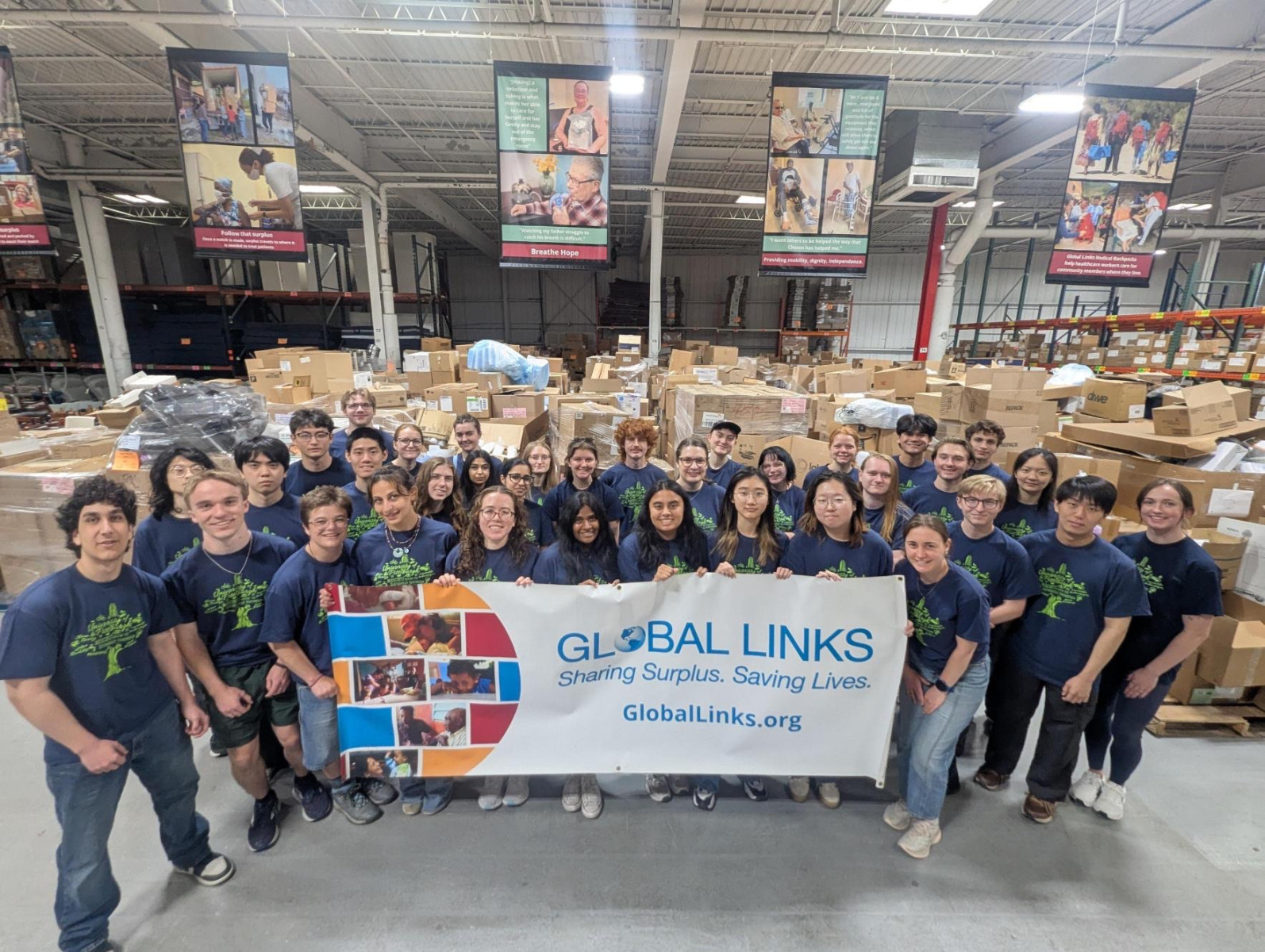
From May to July, students conduct research for ten weeks and work in labs, in the field, or at computers alongside their faculty mentor and that mentor’s graduate students. In addition to research, students attend weekly lunch-and-learn events where featured speakers discuss sustainability, and they participate in two service projects. They partnered with Pittsburgh-based nonprofit Global Links to explore ways to mitigate medical waste, and they also worked in the Oakcliffe area of South Oakland to remove invasives and cut back overgrown plants and to help maintain the garden.
“The students are working full-time for their faculty member getting specific research experience, but we're also trying to give them a broader understanding of sustainability,” Kovalcik said.
This year, the program grouped students into three cohorts with University partners: Pittsburgh Water Collaboratory (water); Office of Sustainability in the Health Sciences (sustainable healthcare); and HAIL (AI and data science). “We wanted to connect students so they could explore their topic more deeply with their peers and with partner centers across campus,” said Kovalcik.
“They really learn skills that are different from what they learn in the classroom, where everything's kind of prescribed for them.” The independence, Kovalcik added, gives students a genuine taste of graduate school as well as the kind of problem-solving they will encounter in the workplace.
The relationships students build over the ten weeks can extend well beyond the summer. Faculty frequently keep strong students on in their labs, and for some, the experience can shape a career, as former summer research participant Pocket Pizzutillo’s story attests.
A transformative experience
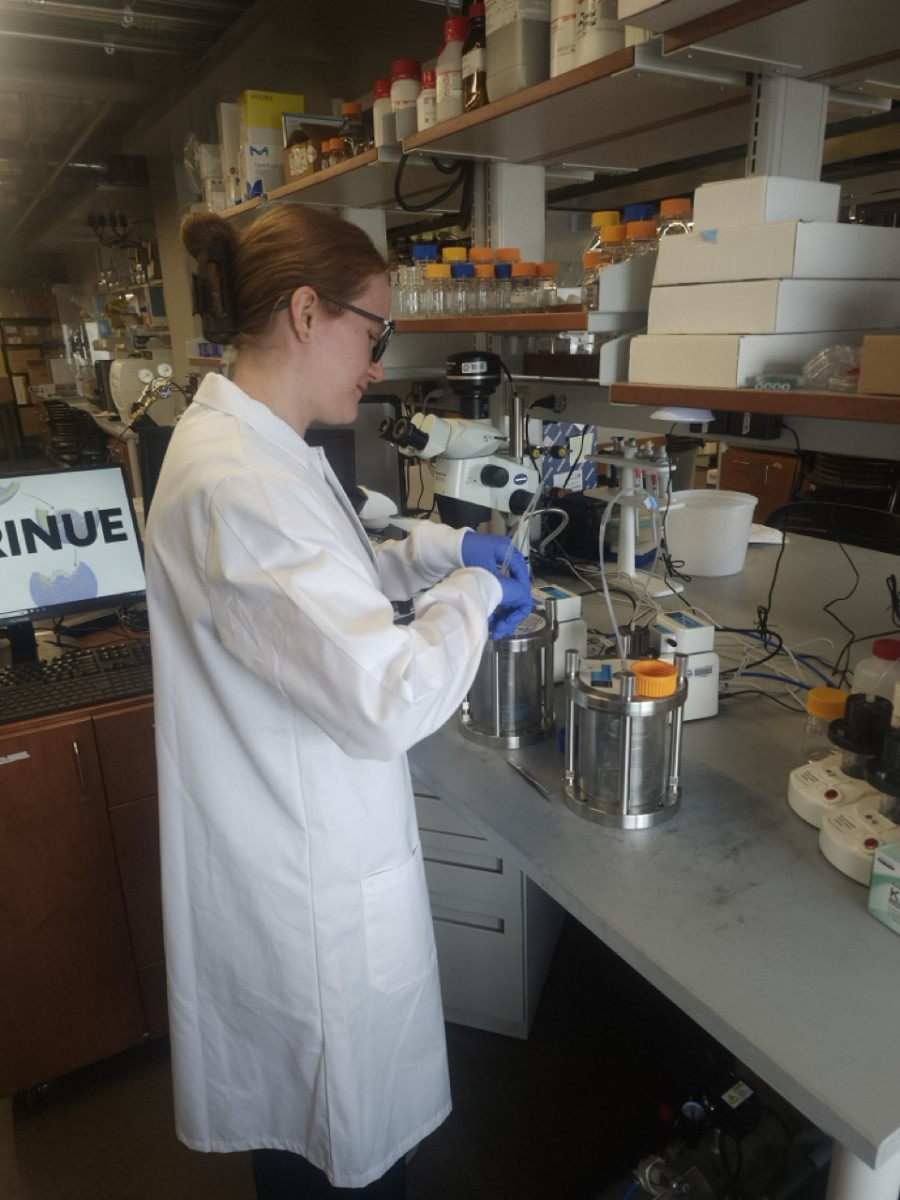
“This summer program gave me the opportunity to fully immerse myself in the role of a researcher compared to my previous part-time research experience,” said Mia van Heerden, a bioengineering student who worked with Steven Little, distinguished professor and department chair of chemical and petroleum engineering. “I could take full ownership of starting and managing a new project that I had little to no knowledge about. Besides the lab work, through this program I learned to present my research in different formats.
“Outside of research, it was fascinating to learn about Pittsburgh's environmental history and the university's sustainability practices. This experience confirmed that I genuinely love the day-to-day work of research.”
Added William Peralta, an industrial engineering student who worked with Amin Rahimian, assistant professor of industrial engineering, “The research this summer provided me with the opportunity to see how individual actions can improve the sustainability efforts of a community. This includes my own research but also discussing the other efforts my peers have done. I hope to continue with sustainable efforts in my engineering career, no doubt inspired by this summer.”
“The MCSI Summer Research Program completely transformed how I see myself as an engineer,” said Sophia Prybyslavskyy, an environmental engineering student who worked with Jacob King, assistant professor in civil and environmental engineering. “In just ten weeks, I went from calibrating a pH probe and pipetting standards to building my own two-cell electrochemical setup to treat acid mine drainage.
“Collecting samples from impacted sites around Pittsburgh and analyzing them in the lab taught me how to troubleshoot real-world problems. Working on a sustainability challenge that directly impacts our region made the work incredibly meaningful. This experience strengthened my confidence as a researcher, and it has inspired me to keep pursuing solutions to water quality and environmental challenges.”
Engineering alumni and friends help fund the Summer Research Training Program in Sustainability. In addition to funding from Jack Mascaro, some students are also supported through the generosity of Charles and Linda Sorber, Doug Condon, and Frank and Daphna Lederman.