
Pitt’s Pre-PhD Summer Internships Illuminate Pathways to Graduate Research
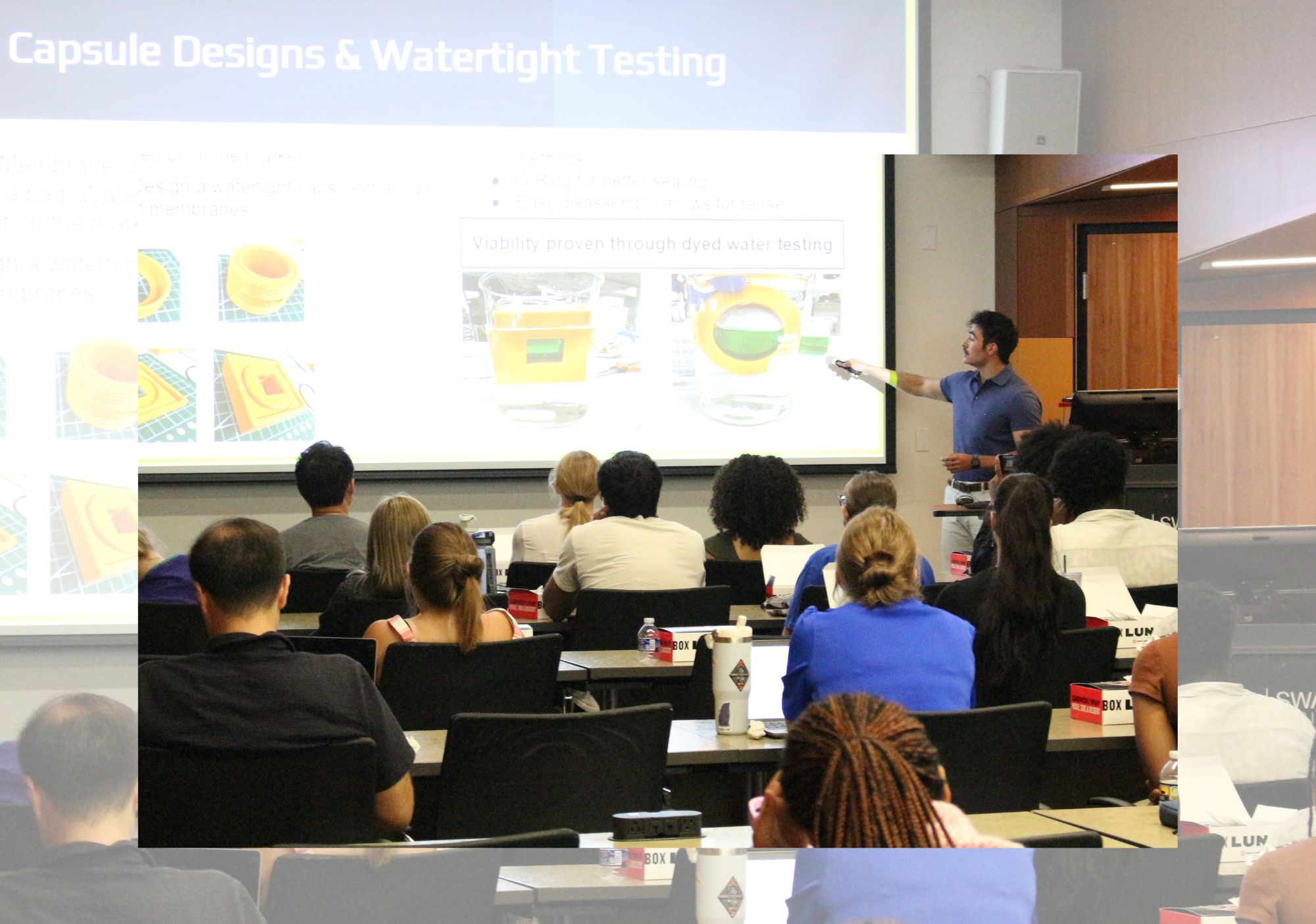
Photo above: Gerardo Paramo presenting his Pre-PhD research
This past June, two weeks into Gerardo Paramo’s research as part of the University of Pittsburgh Swanson School of Engineering’s Pre-PhD Summer Internship, his experiment failed. The dialysis bags he placed in pore water (water found between sediment particles) began to disintegrate.
Paramo, a senior at the University of Illinois Urbana-Champaign, had seven weeks left working in Distinguished Professor Steven Little's Little Lab at Pitt to complete his experiment, “Characterization of Release Kinetics from Liposome-Based, Controlled-Release Fertilizers.”
“It looked like dead skin flaking off,” he remembered. “The first thing I thought was, it was my fault.”
While the original experiment was lost, Paramo learned how to navigate setbacks and to pivot and persist. Indeed, instead of discouraging him, the experience fueled his interest in graduate research.
The Pre-PhD Program has provided students from across the country with their first taste of laboratory research. By affording students the opportunity to learn firsthand what a PhD program looks like, the internship has opened countless pathways.
Over the past 20 years, 88 students have participated. Of those, 54 transitioned to graduate school, 13 of whom earned their PhDs in engineering from the Swanson School, and seven of whom completed their MS degrees at Pitt. Currently, 12 Pre-PhD students are pursuing PhDs in engineering at the Swanson School.
This year, six students participated, working in the labs of Bryan Brown, David Gau, Steven Little, Warren Ruder, Helen Schwerdt, and Jonathan Vande Geest.
“Students have a unique opportunity to spend nine weeks immersed in graduate research,” said Sussan Olaore, Associate Director of Wellness and Engagement Graduate Programs. “They read scientific literature, write papers, conduct hands-on research with professors and graduate students, and present their findings. They get to see everything that the Swanson School has to offer.”
A springboard to a career working for cleaner air
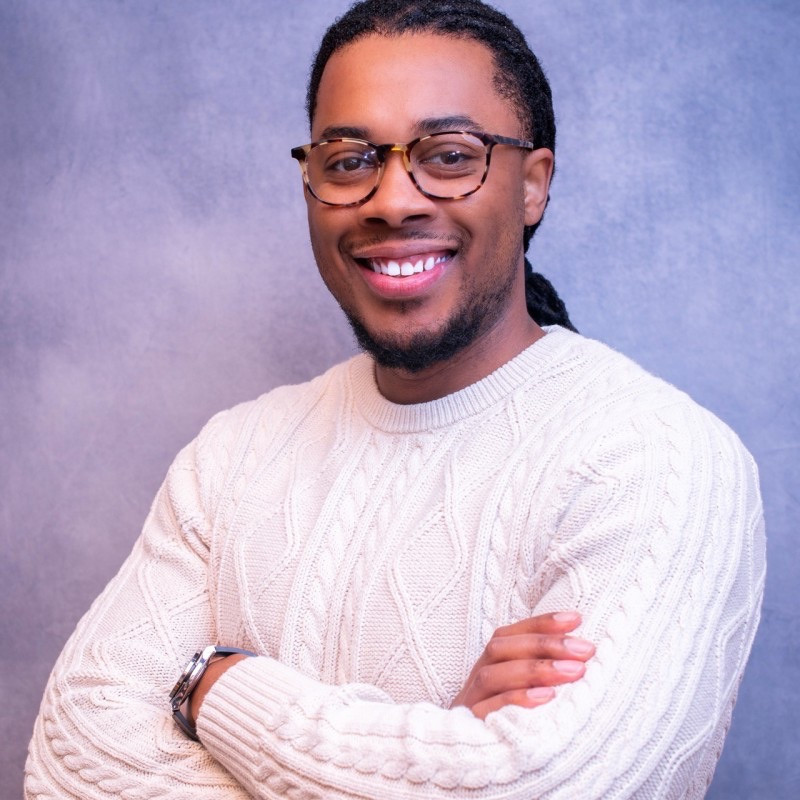
In 2014, Harold Rickenbacker graduated from South Carolina State University (SCSU) with a BS in Civil Engineering Technology. He’d recently learned about environmental engineering and began formulating a plan to pursue a master’s degree in the field.
A mentor encouraged Rickenbacker to look at Pitt’s engineering program, and on a recruiting trip to the Swanson School, he learned about and applied for a Pre-PhD Summer Internship.
“I was coming from a teaching school and didn’t have much experience with research,” said Rickenbacker. “The Pre-PhD Program directly led to my success at Pitt.”
Rickenbacker worked with Melissa Bilec, George M. and Eva M. Bevier Professor in the Department of Civil and Environmental Engineering, researching indoor air quality, which profoundly affects people’s wellbeing. This first taste of research would help convince Rickenbacker to pursue his PhD at Pitt, where he continued this important work.
Rickenbacker earned his PhD in 2019 and has been helping to improve air quality indoors and outdoors ever since. He worked first at the Environmental Defense Fund before moving to the Environmental Protection Agency. To improve the lives of people in under-resourced communities, he has contributed to countless projects, from hyperlocal air monitoring to helping develop $3 billion air quality and climate legislation.
“This program was a springboard,” said Rickenbacker. “It pivoted me to where I am today.”

A window into biomechanical research
David Jordan graduated from Louisiana State University with a BS in Mechanical Engineering and like Rickenbacker was interested in graduate school, but he had no research experience until he was accepted to the program in 2016.
“I was paired with Professor Mark Miller and studied biomechanics of the distal radius of the wrist. I conducted two experiments and gathered data.
“At the time, I wasn’t committed to any specific field, but I really enjoyed bioengineering and the research. I stayed at Pitt and pursued my PhD.”
For the next five years, Jordan worked with Miller and investigated the failure properties of a ligament of the elbow, which is especially important for baseball pitchers.
After earning his PhD in 2021, Jordan took a Postdoctoral Research Associate position at the University of Arizona, where he investigated the biomechanics of the hand and wrist affected by the musculoskeletal disorders carpal tunnel syndrome and osteoarthritis. In 2025, he accepted a faculty position in the College of Engineering at Illinois State University.
“If I’d been offered a job in industry right after undergraduate, I probably would’ve taken it,” said Jordan. “The Pre-PhD Program started me on this research trajectory I’ve been on these past ten years.”
The power of a lasting community
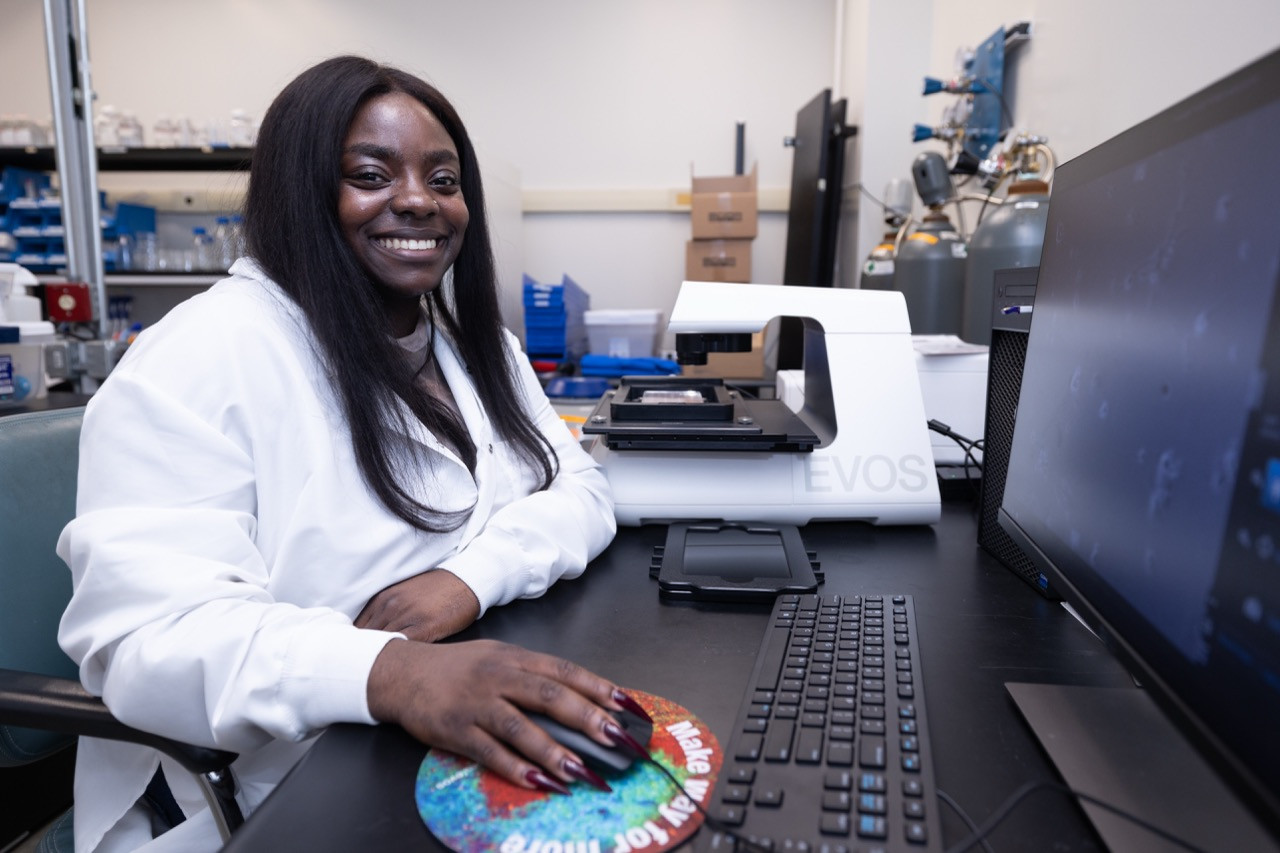
Now in her fifth year of the PhD program in Bioengineering at Pitt, Remi Shittu took a different path to graduate research. After earning her BS in biomechanical engineering from Boston University, she worked in industry at Thermo Fischer Scientific.
“Before I got too far into my career, I wanted to pursue a PhD,” Shittu said. She applied to Pitt and during the recruitment process learned about the Pre-PHD Program.
“I wasn’t used to being in school mode, and the program provided a window into graduate school,” said Shittu. “I also got weekly mentoring from Professor Sylvanus Wosu, who directs the program.”
“You get to wade into the pool before you take a plunge,” Shittu added. “And the program provides a community. Graduate school can be isolating, and having the people I met in that program has been so important.”
Since finishing the program, Shittu continues to engage with incoming Pre-PhD scholars and has made many new friends. “The community and mentorship have made such a difference,” she said.
A real look at research
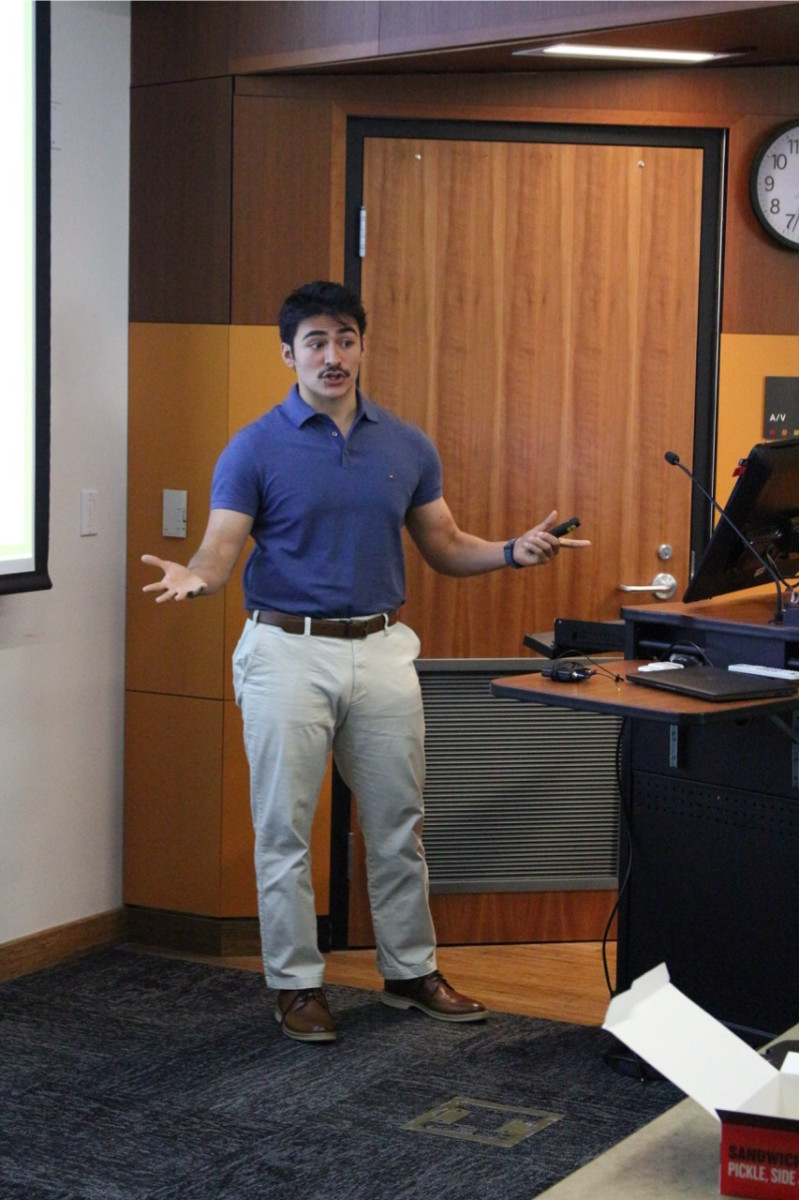
Back to Gerardo Paramo. After his experiment failed, he talked to his graduate student advisor, Mohammadzadeh Alireza, who was equally perplexed. With a background in microbiology, Paramo set out to discover why the cellulose-based dialysis bags broke down in the pore water. And then he set out to use 3D printing to develop a new capsule that would hold the nanoparticles. He made the most of his remaining weeks.
“I learned so much more about research because I had to do more than set steps for the release experiment,” Paramo said. “I learned a new set of skills through 3D CAD. I learned qualitative data about degradation. I learned when something goes wrong, sometimes you need to take ten steps back.
“I also got a better sense of graduate school. Even though one part of the experiment failed, I kept going and had a project that I owned and that I delivered. When you encounter setbacks, you need to find new ways to move forward.”